Craving a quieter corner of San Francisco without giving up central convenience? In Cole Valley, you can grab a coffee on Cole Street, walk to Golden Gate Park, and be on Muni to downtown in minutes. If you want a calm, village-like feel with easy access to trails, shops, and transit, this neighborhood deserves a look. In this guide, you’ll learn what day-to-day life feels like, the housing types you’ll find, commute options, pros and cons, and smart steps for buying well. Let’s dive in.
Why Cole Valley feels like a village
Cole Valley sits on the western slope near Twin Peaks, tucked between Haight-Ashbury, the Inner Sunset, and Buena Vista. It is a small neighborhood, and that scale is a big part of the appeal. A compact cluster of cafes, bakeries, and small restaurants centers on Cole Street and Carl Street. It is lively enough for a quick dinner or pastry run, yet the vibe stays neighborhood focused rather than touristy.
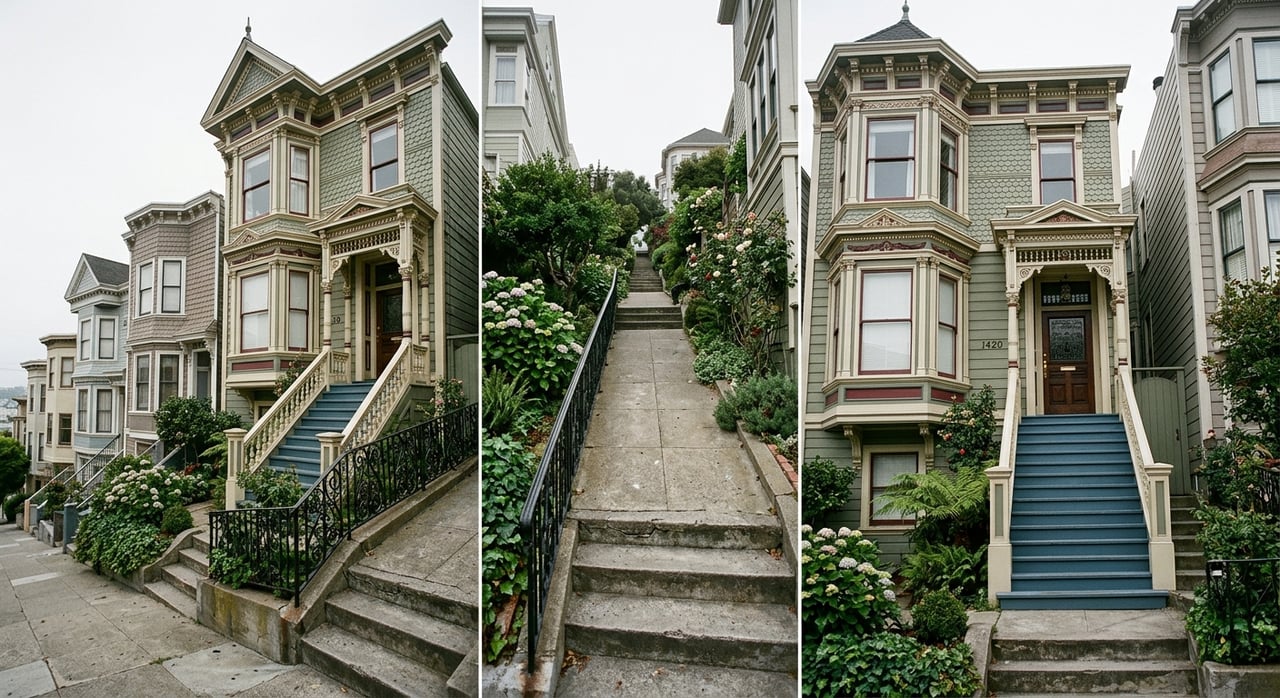
Most residential blocks see lighter traffic compared to nearby hot spots. You will notice older single-family homes and low-rise buildings lining narrow streets, which helps the area feel intimate and calm. If you like to leave the car at home and run errands on foot, the layout makes that easy.
How it compares nearby
- Haight-Ashbury: busier retail and visitor traffic with a historic Bohemian identity; Cole Valley is quieter and more residential.
- Castro: more nightlife and larger retail nodes; Cole Valley is lower key.
- Noe Valley: also village-like, generally sunnier and often pricier; Cole Valley feels hillier and more tucked in.
- Inner Sunset: larger retail corridors on Irving and 9th; Cole Valley is smaller and more intimate.
Homes and architecture
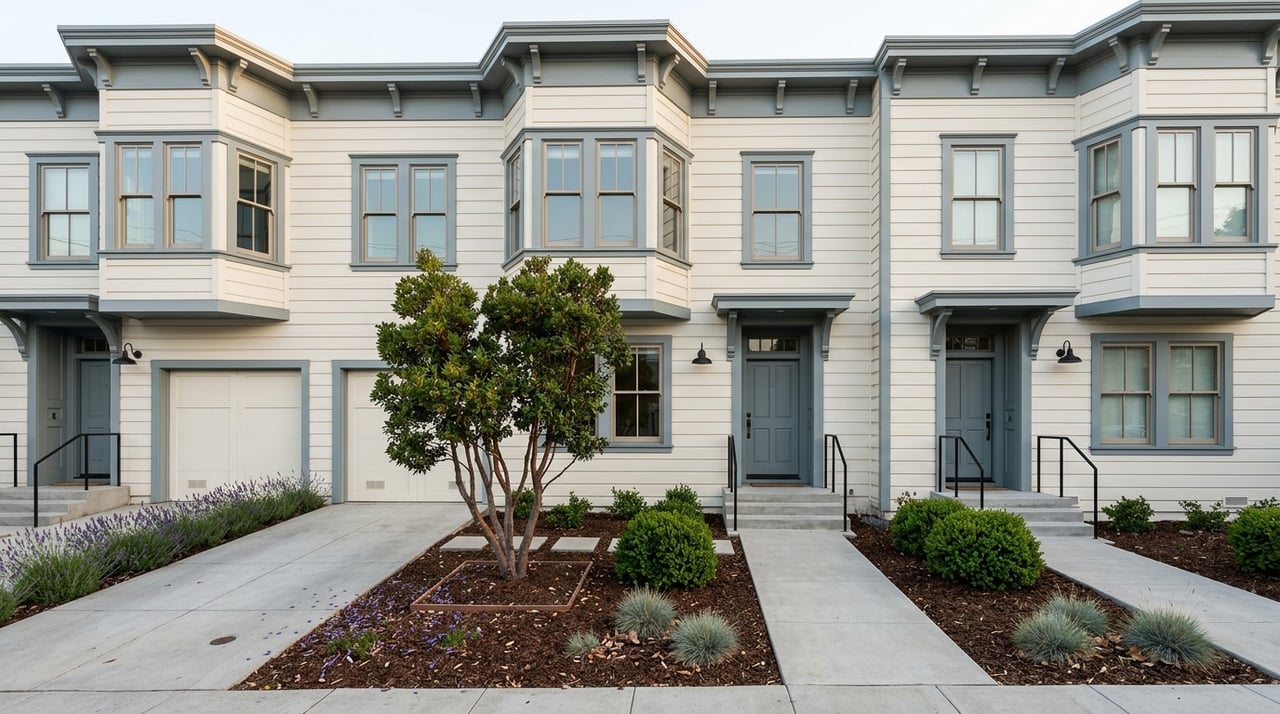
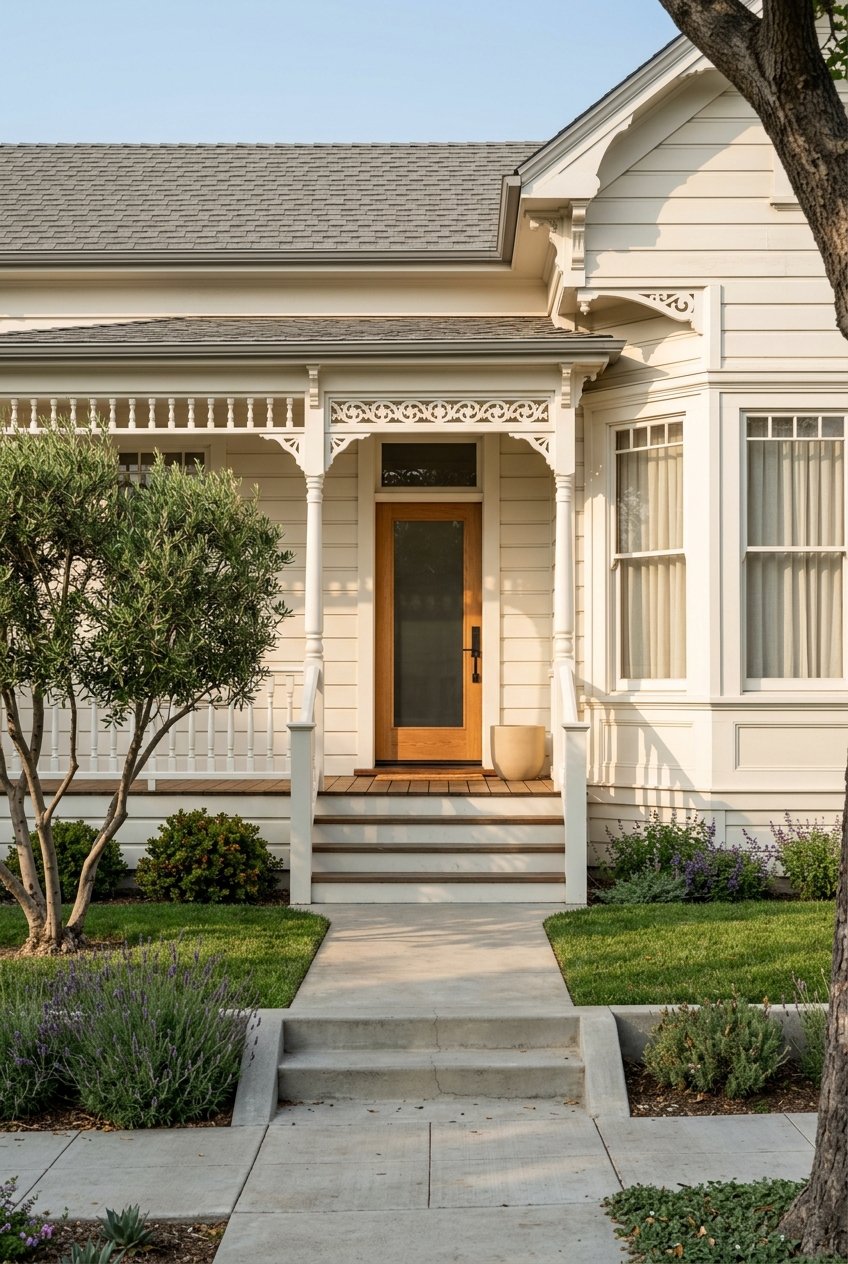
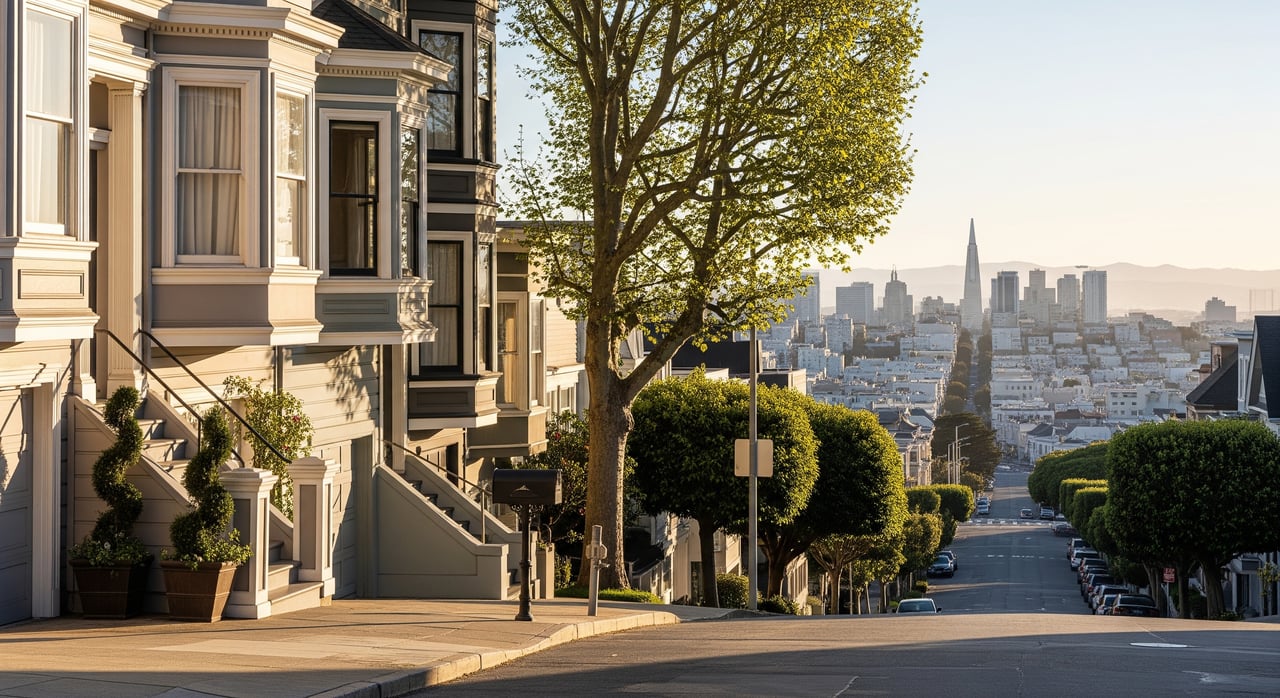
If you love classic San Francisco architecture, Cole Valley delivers. You will see Victorian and Edwardian single-family homes, small brick or stucco rowhouses, and low-rise multi-unit buildings. Many properties date from the late 19th to early 20th century, with a mix of 1 to 3 bedroom flats and larger homes.
New high-rise buildings are rare within the neighborhood’s footprint. The topography and small-lot pattern keep the scale lower and the streetscape cohesive.
What to know about older homes
Many homes are older and may need seismic work, foundation upgrades, or permitted remodeling. It is wise to:
- Request a permit history and any reports on soft-story retrofits and foundations.
- Review HOA rules and dues if you are buying a condo or tenancy-in-common unit.
- Understand any design review rules before planning exterior changes, since the neighborhood’s historic fabric makes alterations noticeable.
Market snapshot and pace
Cole Valley is generally priced above the San Francisco city median. The small size and consistent demand can push price per square foot higher. Inventory is limited, and well-presented listings often attract multiple offers.
Because the neighborhood sees relatively few sales each month, single-month medians can swing. Look at rolling 6 to 12 month trends, and study recent comparable sales for the property type you want. Expect differences between single-family homes and condos or flats when it comes to pricing, days on market, and competition.
If you are financing, get fully underwritten and have your documents ready early. A strong, clean offer can be the difference when the right place appears.
Daily life and amenities
You can handle most needs without leaving the neighborhood. The commercial core features independent coffee shops, bakeries, a small grocery or two, takeout options, and personal services like salons, barbers, and dry cleaners. Evening dining options exist, though you will find more variety in nearby corridors like the Haight or Inner Sunset.
It is easy to start your morning with a latte on Cole Street, grab fresh produce, and be home in a few minutes. The compactness is part of the charm.
Parks within minutes
Outdoor access is a standout here. You are close to:
- Twin Peaks for quick hikes and sweeping city views.
- Buena Vista Park for shaded trails and hillside walks.
- The eastern edge of Golden Gate Park for larger open spaces, gardens, museums, and events.
If you want daily access to trails and green space without a drive, Cole Valley puts it in reach.
Getting around
Walkability and biking
Cole Valley is highly walkable for daily errands and park access. The hills can make some bike routes steeper. Many residents use e-bikes or choose gentler routes on nearby corridors where bike lanes are present.
Transit to downtown and beyond
Muni light-rail and buses connect Cole Valley to downtown, SoMa, and other neighborhoods. Riders often make a short transfer to reach BART or Caltrain. Transit reliability varies by line and time of day, so check live schedules when you plan a commute.
Typical travel times:
- Downtown and SoMa: about 15 to 25 minutes by car depending on traffic, or roughly 20 to 35 minutes by transit depending on wait times and transfers.
- Peninsula commutes: expect approximately 25 to 45 minutes or more by car to South San Francisco or Redwood City depending on route and time of day.
Driving and parking
On-street parking is limited on many blocks, and some homes do not include a garage. If you own multiple cars or host frequent visitors, confirm the local permit zone rules. Driving within the city can be slow during peak times, though major routes like US 101 and I 280 are accessible within city driving distances.
Who chooses Cole Valley
Buyers often include professionals who want a quieter urban base with strong park access, small households seeking a village scale, and downsizers who value walkability. Inventory skews toward older, smaller buildings and single-family homes rather than large, modern apartment complexes.
If you prefer a close-knit neighborhood feel with quick access to trails and a central location, Cole Valley often fits the bill.
Pros and cons
Pros
- Village feel with independent shops and cafes.
- Immediate access to Twin Peaks, Buena Vista Park, and Golden Gate Park.
- Central San Francisco location with Muni connections to downtown.
- Generally quieter than adjacent retail corridors.
Cons
- Limited inventory and higher price per square foot.
- Hilly terrain and possible steep interior stairs.
- Street parking constraints on many blocks.
- Property crime patterns similar to citywide trends.
- Older homes may need seismic and foundation upgrades.
Buying smart in Cole Valley
A good plan helps you move fast and protect your investment:
- Confirm SFUSD school assignment and policies for your exact address if schools are part of your decision.
- Review permit histories, structural reports, and any seismic or foundation upgrades.
- For condos or multi-unit buildings, study HOA or building financials, reserves, and rules.
- Check neighborhood crime data and patterns for recent incidents.
- Verify parking permit zones if you rely on street parking.
- Visit the property at different times of day to assess noise, foot traffic, light, and transit frequency.
- Use 6 to 12 month market trends and recent comps to set expectations on price, days on market, and offer strategy.
Working with an experienced local broker can clarify which homes are worth the premium, what upgrades truly matter, and how to structure a winning yet protected offer.
Is Cole Valley right for you?
If you want a calm, central neighborhood with an authentic main street and trailheads minutes away, Cole Valley delivers a strong balance of lifestyle and location. You give up some inventory depth and easy parking, but you gain a daily rhythm that feels more like a small town than a big city.
When you are ready to explore options or price your home, partner with a trusted advisor. Susanne pairs seasoned negotiation with Compass tools like Concierge, Coming Soon, curated marketing channels, and a vetted vendor network to elevate presentation and speed to contract. Whether you are aiming for a polished listing launch or strategic buyer representation, you will get clear guidance and a precise plan tailored to your goals. Connect with Susanne Alexander to map your next step.
FAQs
Is Cole Valley good for households with children?
- Yes. Quiet residential streets and park access often appeal to households with children, but confirm SFUSD assignment for your specific address and consider home size and layout.
What kinds of homes are most common in Cole Valley?
- You will find Victorian and Edwardian single-family homes, low-rise multi-unit buildings, and condo conversions, with many 1 to 3 bedroom flats and some larger homes.
Are there many new condos or new construction in Cole Valley?
- New construction is limited. The neighborhood is dominated by older housing stock and low-rise buildings that keep the scale consistent.
How long is the commute from Cole Valley to downtown SF?
- Plan for about 20 to 35 minutes by transit depending on line and time of day, or roughly 15 to 25 minutes by car depending on traffic and route.
What should I check before making an offer on an older home?
- Ask for permit history and engineering reports on seismic and foundation work, verify any soft-story retrofits, and review building financials if applicable.
What are the parking and car ownership considerations?
- Many blocks have limited on-street parking, and some homes lack garages. Confirm local permit zones and visitor rules if you rely on street parking.