Thinking about living in Alameda and commuting to San Francisco? If you want a calmer, reliable way to cross the Bay, the ferry can be a standout option. You get a seat, fresh air, and a direct trip to the Ferry Building without bridge traffic. In this guide, you’ll learn how the ferry works from Alameda, which terminal fits your routine, what to expect for schedules, parking, bikes, and passes, and how to test your commute before you buy or rent. Let’s dive in.
Why the Alameda ferry commute works
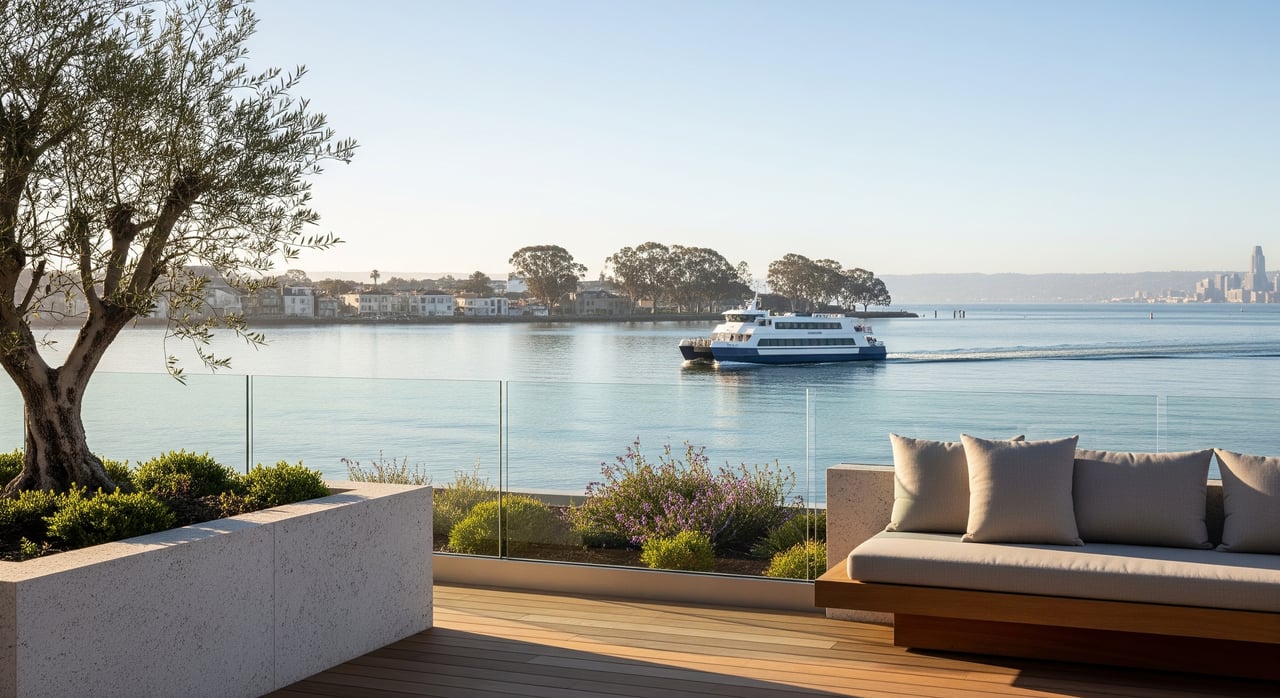
Ferries offer a direct, sit-down ride to the San Francisco Ferry Building that many commuters find more comfortable than buses or driving. The service is operated by the San Francisco Bay Ferry, which publishes official schedules, fares, and service alerts. You avoid bridge backups and can use the time to read, plan your day, or simply enjoy the views.
Weekday peak runs are designed around typical office hours, while off-peak and weekend service is more limited. Because service patterns evolve, always confirm your target sailings using San Francisco Bay Ferry updates and schedules before you travel.
Terminals at a glance
Alameda has two ferry terminals serving San Francisco-bound commuters: the Alameda Main Street Terminal on Alameda Island and the Harbor Bay Isle Terminal on Bay Farm Island.
Alameda Main Street Terminal
This terminal serves Alameda Island neighborhoods and is appealing if you want to walk or bike to the boat. Local bus connections are available through AC Transit, and on-street parking near the terminal is often limited and regulated. For current local parking rules and permits, check the City of Alameda transportation and parking information.
Harbor Bay Isle Terminal
Located on Bay Farm Island, Harbor Bay generally offers more on-site commuter parking than Main Street. Many riders choose to drive, bike, or walk short local routes to this terminal. Bike access is straightforward along Bay Farm paths, and AC Transit provides connecting routes. For terminal amenities and any updates, consult San Francisco Bay Ferry rider information.
Quick comparison: Main Street vs. Harbor Bay
| Terminal | Access profile | Notes |
|---|---|---|
| Alameda Main Street | Best if you plan to walk or bike from Alameda Island neighborhoods | Parking is more constrained; check City rules. Close to island commercial corridors and AC Transit links. |
| Harbor Bay Isle | Convenient for short drives, bikes, or walks on Bay Farm | Generally more dedicated commuter parking; straightforward bike paths; confirm lot rules with City and WETA. |
Schedules and travel times
Ferry timing depends on the terminal, time of day, and any intermediate stops. Weekday mornings into San Francisco and evenings back to Alameda see the most frequent runs. Midday and weekends usually have fewer trips. Because trip durations and departure windows change periodically, verify your specific sailings on the San Francisco Bay Ferry schedule and alerts pages before you go.
If you plan to work nonstandard hours, make sure service aligns with your start and end times. Event or seasonal trips may be offered for special occasions and are announced separately by the operator.
Tickets and passes with Clipper
The ferry accepts Clipper, the Bay Area’s contactless fare system, which also works on AC Transit, Muni, and BART. You can load value, explore multi-ride or monthly options, and see discounts for eligible riders on the Clipper Card website. Transfer discounts and rules vary by agency, and separate fares often apply, so review current Clipper policies if you plan to connect with other transit.
Fares and pass options are updated periodically. Always check the latest ferry fares through San Francisco Bay Ferry or Clipper before you budget your commute.
Parking, bikes, and last-mile connections
Parking policies differ by terminal and can change. Harbor Bay generally has more commuter parking, while Main Street parking is tighter and may involve permits or time limits. Confirm rules with the City of Alameda and review any WETA terminal guidance on the San Francisco Bay Ferry site.
Most ferries allow bikes, and you will find racks or designated spaces on board and at some docks. During peak runs, bike space can fill quickly, so arriving early helps. For current bike allowances and any restrictions, check San Francisco Bay Ferry rider information.
AC Transit connects neighborhoods to ferry terminals and other East Bay hubs. If you plan a bus-to-boat commute, confirm route options and timing with AC Transit. Walking and biking are popular for nearby neighborhoods, as they simplify the last mile and avoid parking entirely.
Which Alameda neighborhood fits your commute
Harbor Bay / Bay Farm Island:
- Pros: Short access to Harbor Bay terminal, generally more on-site commuter parking, and bike-friendly routes.
- Considerations: You may rely on a short drive or bike ride across Bay Farm to reach the boat.
- Best fit if: You prefer driving and parking at the terminal or using bike paths for a quick ride to the ferry.
Alameda Island near Main Street and the West End:
- Pros: Walkable access to the Main Street terminal and proximity to island commercial corridors.
- Considerations: Terminal-area parking is more constrained and often regulated.
- Best fit if: You want to walk or bike to the ferry and reduce reliance on a car.
Central and East Alameda Island:
- Pros: Often a short bike or bus ride to either terminal with a range of housing types.
- Considerations: Plan for a bus or bike link and think through bike storage or bus timing.
- Best fit if: You prioritize broader neighborhood options and do not mind a short last-mile connection.
How to plan your ferry commute
Use this simple checklist to test-drive your routine before you commit:
Confirm schedules and alerts.
- Check the latest runs and any notices on the San Francisco Bay Ferry website.
Set up your Clipper Card.
- Load value or passes and review discounts on Clipper Card.
Map your last mile.
- Identify your walk, bike, or AC Transit route to the terminal using AC Transit. If you plan to drive, confirm parking rules with the City of Alameda.
Test your real commute.
- Do a trial run during the exact hour you would travel to verify door-to-door timing, including the walk in San Francisco from the Ferry Building to your workplace.
Plan a backup.
- Know your alternatives if a sailing is canceled, such as AC Transit transbay buses, BART via Oakland, or driving.
Practical trade-offs to consider
- Reliability and weather: Modern ferries are dependable, but severe weather, mechanical issues, or maintenance can affect service. Monitor WETA alerts and keep a backup route handy.
- Total commute time: Measure your full door-to-door journey, including time to the terminal, wait time, the ride, and the final walk in San Francisco. For many, the ferry is the most predictable and comfortable part of the day.
- Cost: Monthly ferry costs can exceed some bus or rail options. Compare total costs, including fares, parking, and bike or vehicle expenses.
- Schedule flexibility: Peak service is strongest on weekdays. If you work early or late, confirm the spans of service.
- Commuter benefits: Employer subsidies or pre-tax transit deductions can reduce your net cost. Check your benefits program.
Putting it together for your home search
Start with your commute priorities. If walking to the boat is your goal, focus your search within a comfortable walk of the Main Street terminal. If you plan to drive or bike from Bay Farm, look for homes with easy access to the Harbor Bay terminal and confirm parking or bike storage options. If you prefer a wider choice of neighborhoods, plan your AC Transit or bike connection and test it at the times you would actually travel.
When you are ready to pair the right Alameda home with an efficient ferry routine, you will be set up for a smoother weekday.
Ready to explore neighborhoods and homes that align with your commute? Reach out to Susanne Alexander to match your lifestyle goals with smart, local guidance. Let’s Connect.
FAQs
Which Alameda ferry terminal is best for San Francisco commuters?
- It depends on where you live: Main Street serves Alameda Island neighborhoods, while Harbor Bay serves Bay Farm; confirm specific trip options with the San Francisco Bay Ferry.
How frequent are Alameda-to-SF ferries on weekdays?
- Weekday peak periods usually have the most trips, and off-peak runs are more limited; always check current schedules and alerts on the San Francisco Bay Ferry site.
Are bicycles allowed on the San Francisco Bay Ferry from Alameda?
- Yes, most vessels allow bikes, but space can be limited during peak times; review bike policies on San Francisco Bay Ferry rider information and arrive early.
Is there parking at Alameda ferry terminals?
- Harbor Bay generally has more commuter parking, while Main Street is more constrained; verify current rules and permits with the City of Alameda and operator guidance on San Francisco Bay Ferry.
How do ferry fares and passes work with Clipper for Alameda trips?
- The ferry accepts Clipper for contactless payment, and you can explore multi-ride or monthly options and discounts on the Clipper Card website.
What are backup options if Alameda ferry service is canceled?
- Consider AC Transit transbay buses, BART via Oakland, or driving; keep an eye on active alerts from the San Francisco Bay Ferry and plan a secondary route with AC Transit.
Can I bring a pet on the ferry from Alameda?
- Policies can vary; small pets in carriers are typically allowed on most transit, but you should confirm current rules on the San Francisco Bay Ferry site before traveling.