If you own a Berkeley Craftsman, you may be asking the right question before you spend a dollar: what updates actually help this kind of home sell well without stripping away the character buyers love? In Berkeley, that balance matters. Buyers respond to homes that feel well cared for, functional, and true to their era, and the wrong update can work against that first impression. This guide walks you through the smartest pre-sale improvements, where to focus your budget, and when to pause for historic review. Let’s dive in.
Why strategy matters in Berkeley
Berkeley’s early-20th-century brown-shingle, Craftsman, and bungalow homes are a meaningful part of the city’s architectural identity. Berkeley’s designation criteria specifically recognize architectural styles that contribute neighborhood value, which is one reason historically sensitive updates matter here.
If your property is a Berkeley Landmark, a Structure of Merit, or located in a Historic District, exterior changes are not just a design decision. According to Berkeley’s landmark alteration requirements, you need Landmarks Preservation Commission approval and a Structural Alteration Permit before a building permit is considered.
That does not mean you cannot improve your home before listing. It means the best work is often selective, presentation-focused, and respectful of the home’s original style.
Focus on condition first
Before you think about remodeling, start with the basics. Appraisal guidance from FHFA notes that value depends on local market conditions, house condition, age, and needed improvements. Freddie Mac also points out that older homes often have components updated at different times, so condition and maintenance can carry real weight.
For many Berkeley sellers, that means your first dollars should go toward work that makes the house feel maintained and move-in ready. Cleanliness, function, and visible upkeep usually do more for buyer confidence than a dramatic redesign.
A practical order of operations often looks like this:
- Clean, declutter, and fix obvious maintenance issues
- Refresh paint and improve lighting
- Make targeted kitchen and bath updates
- Consider larger replacements only if condition problems are clearly hurting the home
Refresh paint without losing character
Paint is one of the most effective pre-sale updates. In the 2025 Remodeling Impact Report, NAR reports that sellers’ agents most often recommend painting the entire home or at least one room before listing.
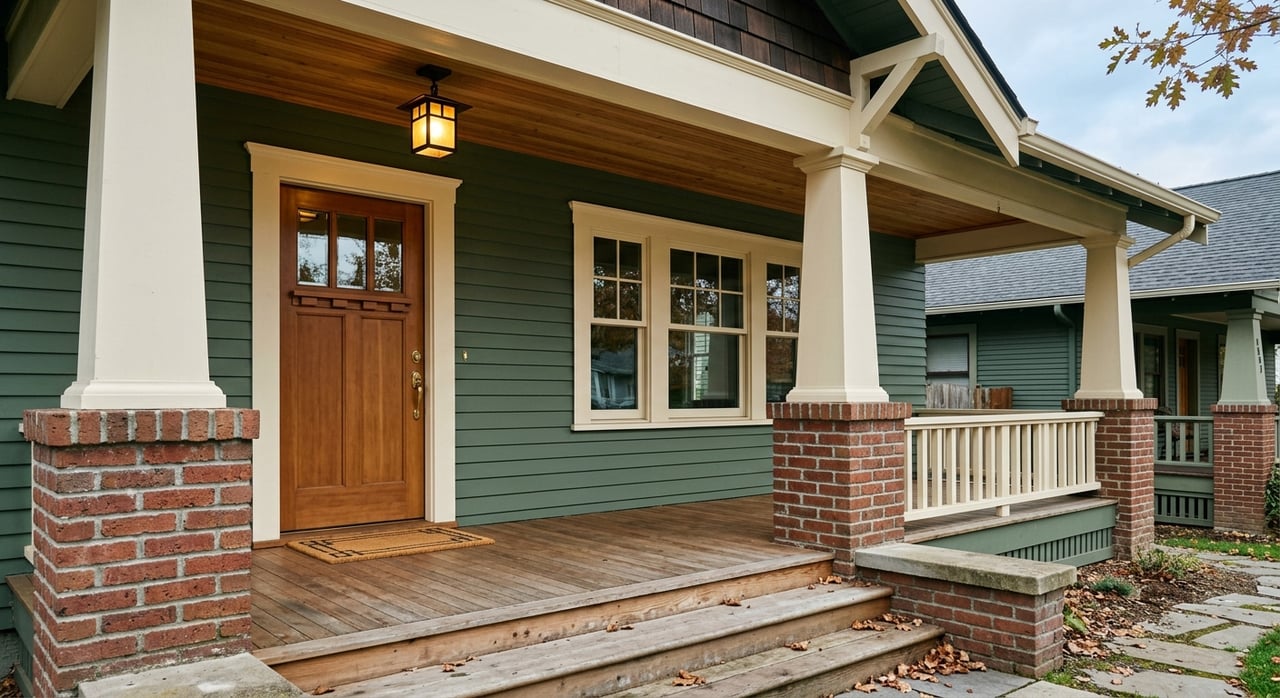
For a Berkeley Craftsman, the goal is not to modernize for the sake of it. The better move is usually to refresh faded body and trim paint, address peeling areas on porches and eaves, and choose colors that feel historically compatible with the house.
That approach lines up with National Park Service guidance for historic wood buildings, which recommends retaining protective paint coatings and repainting with colors appropriate to the building and district. It also warns against stripping sound paint to bare wood or using destructive removal methods.
Where paint matters most
If your budget is limited, focus first on surfaces buyers see immediately:
- Front porch flooring and rail details
- Entry trim and front door area
- Eaves, brackets, and window trim
- High-traffic interior walls with visible wear
- Rooms with dark, dated, or uneven paint
Fresh paint can make a home photograph better, feel brighter, and signal care from the first showing.
Improve lighting the easy way
Older homes often have warm charm but uneven light. That can make rooms feel smaller or more tired than they really are, especially online.
NAR’s staging guidance notes that buyers notice neglected lighting, and it recommends making the most of natural light and cleaning fixtures before showings. NAR also highlights affordable supplemental options like wireless lighting for dark closets, entry areas, bedside spaces, and bathroom mirrors in its article on wireless lighting solutions.
In a Craftsman home, smart lighting updates are usually simple. Clean shades and globes, replace burned-out bulbs, match bulb color throughout the house, and add discreet lighting where a room reads dark. You can improve presentation without taking on major rewiring just to prepare for market.
Lighting fixes that help showings
- Clean all existing fixtures
- Replace mismatched bulbs with a consistent warm tone
- Open window coverings to maximize daylight
- Add rechargeable or battery-operated lighting in dim spots
- Remove furniture or decor that blocks natural light
These are small changes, but they can have an outsized effect on photography and first impressions.
Make selective kitchen updates
Kitchens matter, but that does not always mean a full remodel. In the same 2025 Remodeling Impact Report, kitchen upgrades rank among the most meaningful projects for homeowners, and NAR reports strong demand for kitchen improvements.
For Berkeley Craftsman homes, the highest-impact version is often a selective refresh. If the kitchen is functional and the layout works, buyers may respond better to a polished, era-conscious update than to a rushed renovation that feels out of place.
Consider improvements like:
- Repainting or refinishing cabinets
- Replacing worn hardware
- Updating faucets
- Repairing or refreshing tired counters or backsplash areas
- Fixing caulk, grout, and ventilation issues
- Improving task lighting
Freddie Mac’s property condition guidance explains that minor repairs and updates can matter materially in older homes. In other words, you do not always need a headline renovation to improve how the home is perceived.
Tidy up bathrooms buyers notice
Bathrooms are another area where small fixes can go a long way. Buyers tend to notice signs of deferred maintenance quickly, especially in older properties.
A targeted bathroom refresh may include new hardware, improved lighting, fresh paint, regrouted tile, recaulked tub or shower edges, and better ventilation. These updates help the room feel cleaner and more functional without forcing a full reconstruction project before listing.
If your bathroom has original elements in good condition, preserving them can also support the home’s overall story. A Berkeley Craftsman often shows best when original character and modern livability are balanced carefully.
Strengthen curb appeal thoughtfully
Curb appeal shapes the showing before a buyer ever steps inside. NAR’s consumer guide to preparing to sell recommends attention to windows, walls, lighting fixtures, landscaping, the front entrance, and paint because these details help a home show better, including in photos.
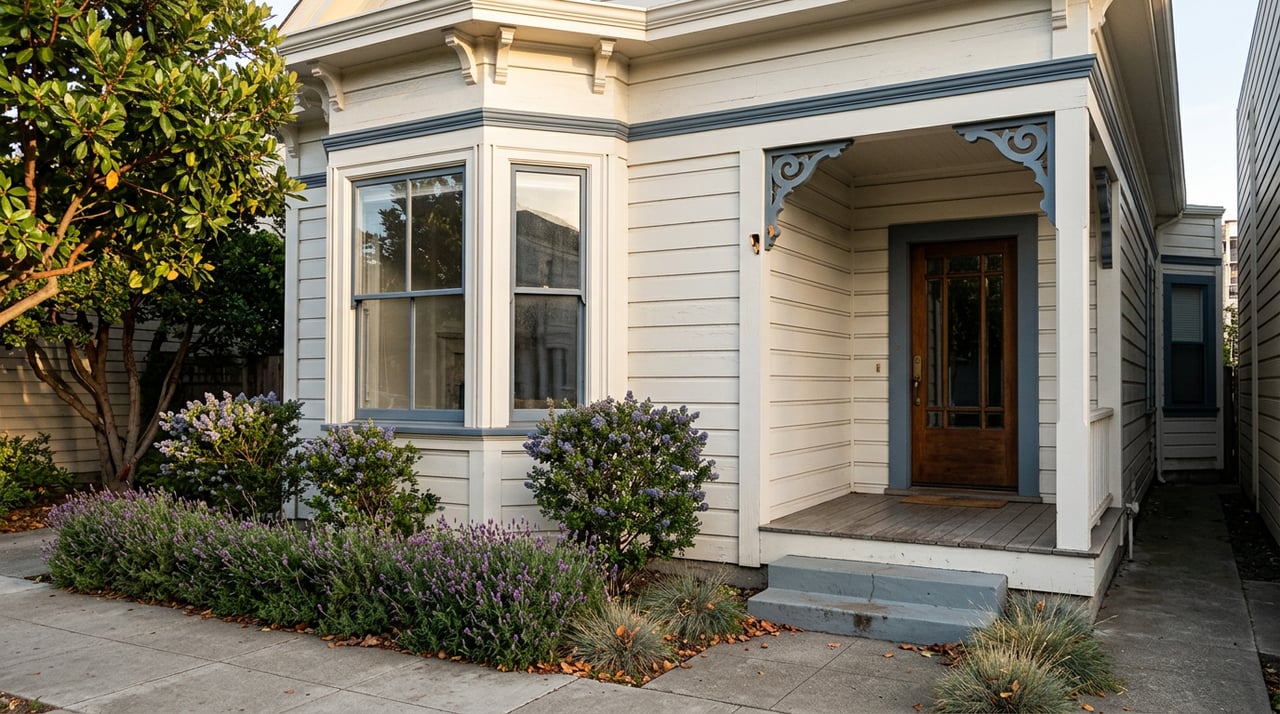
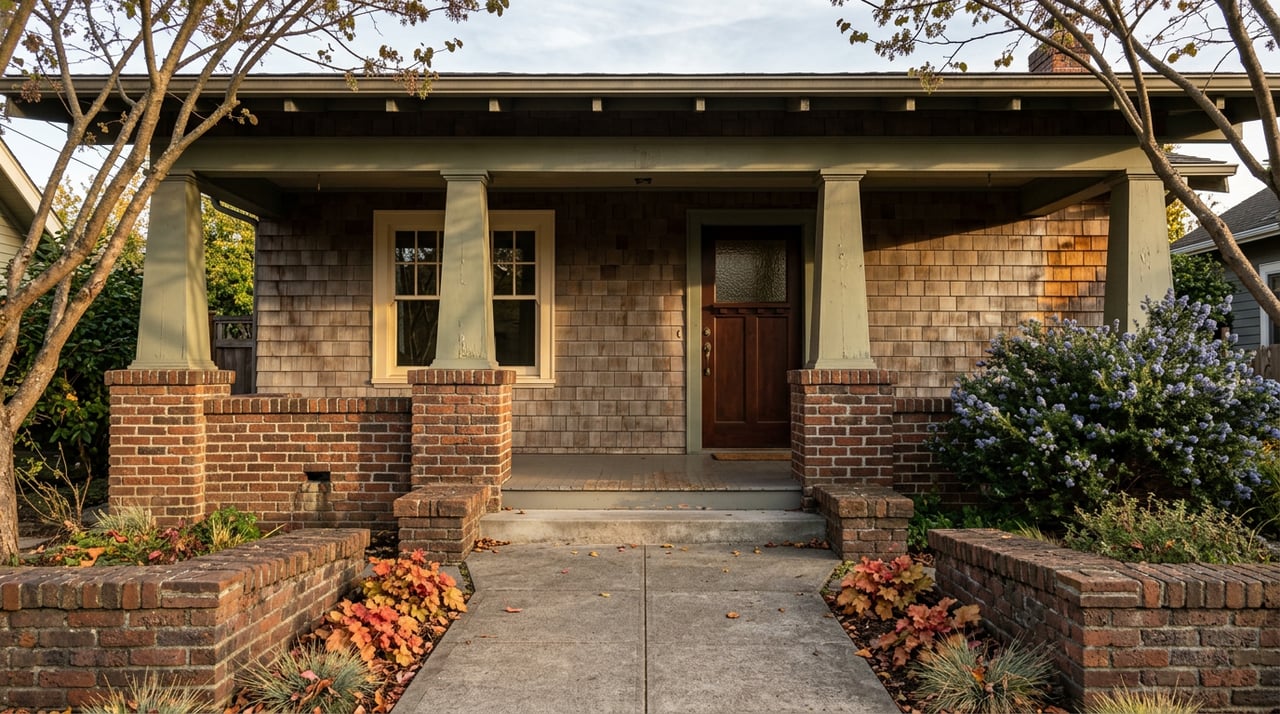
For a Berkeley Craftsman, exterior presentation should feel clean, cared for, and architecturally consistent. That usually means repaired trim, cleaned windows, tidy landscaping, a welcoming front path, and an entry sequence that feels intentional.
If you are considering exterior color changes, visible door replacements, or facade work, check your status first. For designated properties, Berkeley requires review before exterior alterations begin.
Exterior priorities to consider
- Clean windows and porch surfaces
- Repair peeling or damaged wood details
- Refresh the front entry area
- Improve drainage issues where visible
- Tidy landscaping and remove visual clutter
- Confirm approval requirements before exterior changes
According to the National Park Service, historic wood exteriors benefit from proper drainage, retained coatings, and gentle surface preparation. Preservation-minded care can also align well with what buyers want to see: a house that feels protected and maintained.
Stage the rooms that count most
Staging can be especially effective in older homes because it helps buyers understand how the space lives today. NAR reports that 83% of buyers’ agents said staging makes it easier for buyers to visualize a property as a future home, and 29% of sellers’ agents reported a 1% to 10% increase in dollar value offered when homes were staged.
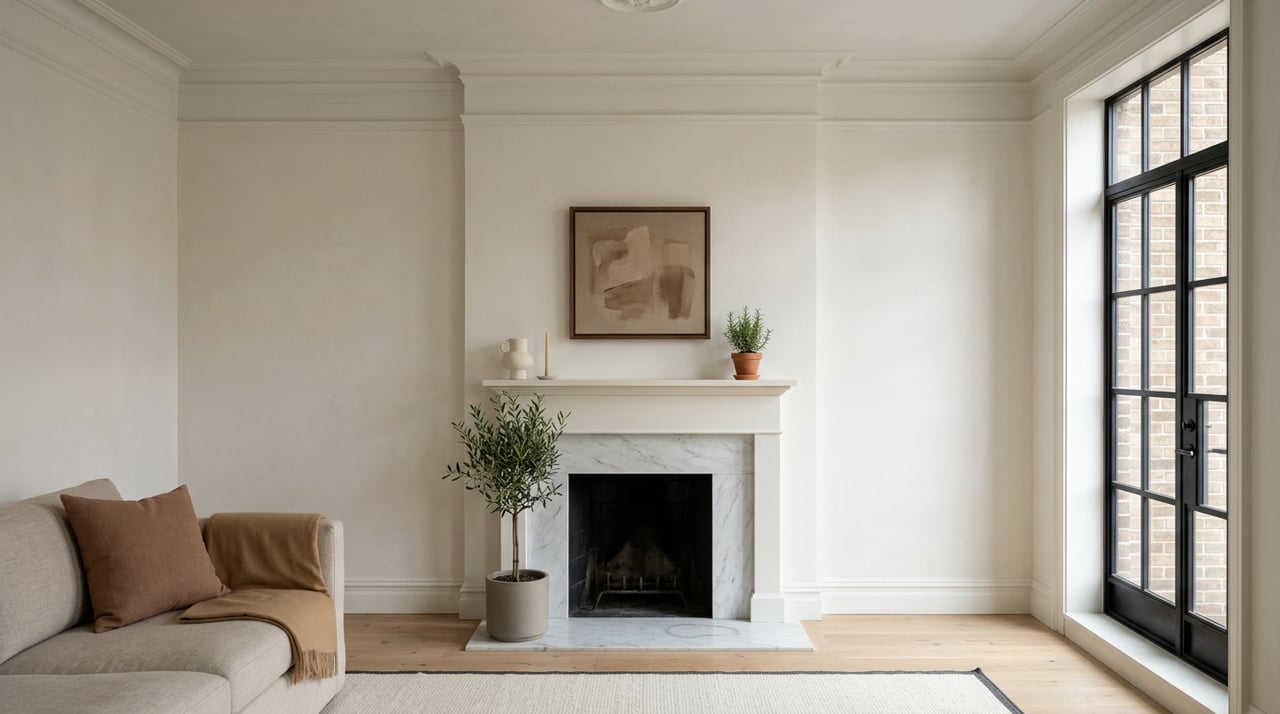
If you are deciding where to focus first, NAR says buyers’ agents most often prioritize the living room, followed by the primary bedroom and kitchen. Those spaces often shape the emotional response buyers have to a Berkeley Craftsman.
NAR’s 2025 Profile of Home Staging Report also gives useful cost benchmarks, with a median spend of $1,500 when using a staging service and $500 when the seller’s agent handled staging. That is a helpful reminder that presentation gains do not always require oversized pre-sale spending.
Know when bigger work is worth it
Not every home should stay in the cosmetic-update lane. Sometimes condition issues, awkward function, or significant deferred maintenance are large enough that buyers will hesitate unless the problem is addressed.
That is where strategy matters. FHFA and Freddie Mac both make clear that needed improvements and overall condition materially affect value, so larger projects may be worth considering when cosmetic work alone will not solve the issue.
A bigger remodel may make sense if:
- Key systems or surfaces are visibly failing
- The kitchen or bath condition undermines buyer confidence
- Deferred maintenance is extensive
- The home feels clearly behind competing listings in condition
Even then, the best answer for a Berkeley Craftsman is usually thoughtful improvement, not character erasure.
Protect your return with the right pre-sale plan
The strongest selling updates for Berkeley Craftsman homes are usually the ones that respect the architecture while improving how the home feels in person and online. Paint, lighting, maintenance, selective kitchen and bath refreshes, and thoughtful staging often do more than a costly remodel that ignores the home’s original appeal.
A strategic pre-sale plan can help you spend where it counts, avoid unnecessary work, and present the home with the level of polish buyers expect. If you want expert guidance on which updates are worth doing before you list, Susanne Alexander can help you build a smart, market-ready plan that protects your return.
FAQs
What updates help a Berkeley Craftsman home sell faster?
- The most effective updates are often cleaning, decluttering, fixing visible maintenance issues, refreshing paint, improving lighting, and making selective kitchen and bath improvements.
Do Berkeley historic homes need approval for exterior changes?
- Yes. If your home is a Berkeley Landmark, Structure of Merit, or in a Historic District, exterior alterations require review and approval through Berkeley’s landmark alteration process before permit consideration.
Should you remodel a Berkeley Craftsman kitchen before selling?
- Not always. A selective kitchen refresh, such as cabinet paint or refinish, new hardware, updated faucets, and repairs to grout, caulk, or lighting, is often more practical than a full remodel.
Does staging matter for older Berkeley homes?
- Yes. NAR reports that staging helps buyers visualize the home and can support stronger offers, especially in important spaces like the living room, primary bedroom, and kitchen.
Is repainting a Berkeley Craftsman exterior a good idea before listing?
- It can be, especially if paint is faded or peeling. The safest approach is usually to retain protective coatings, repair problem areas, and choose colors that fit the home’s historic character.
When is a larger pre-sale remodel worth it for a Berkeley home?
- A larger remodel is usually worth considering only when major condition issues, deferred maintenance, or clearly outdated spaces would hurt buyer confidence beyond what cosmetic improvements can fix.