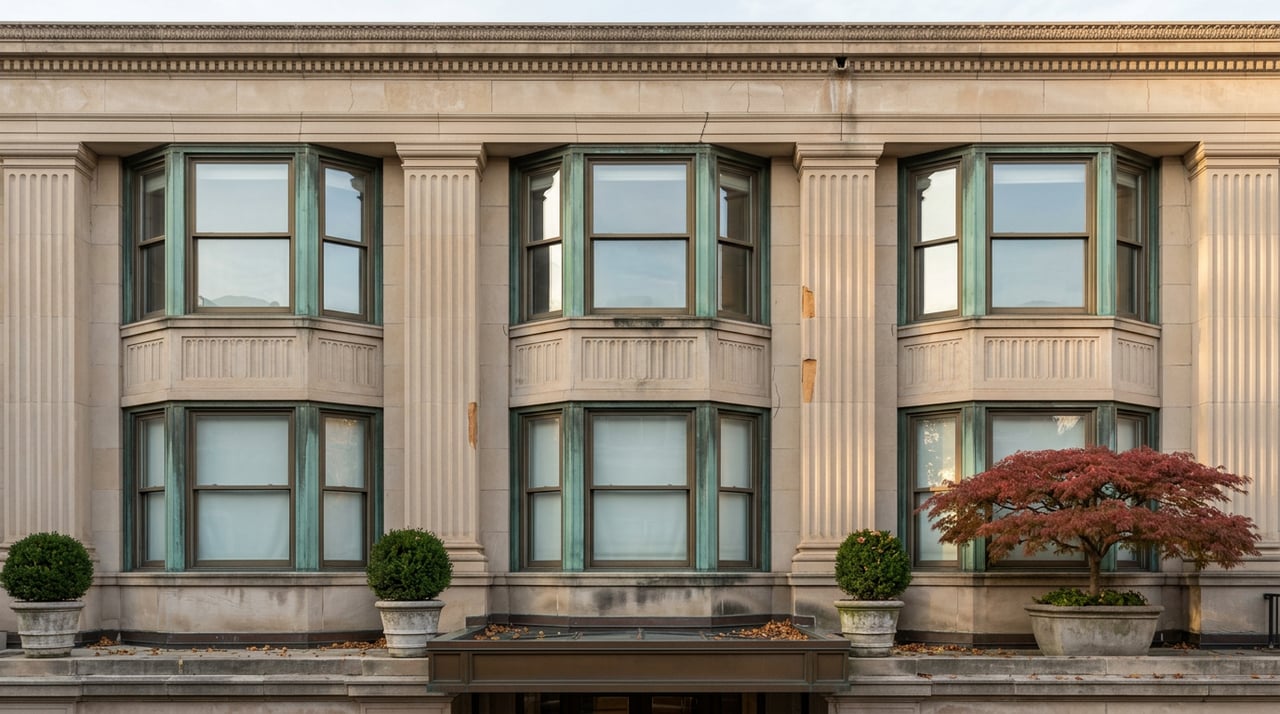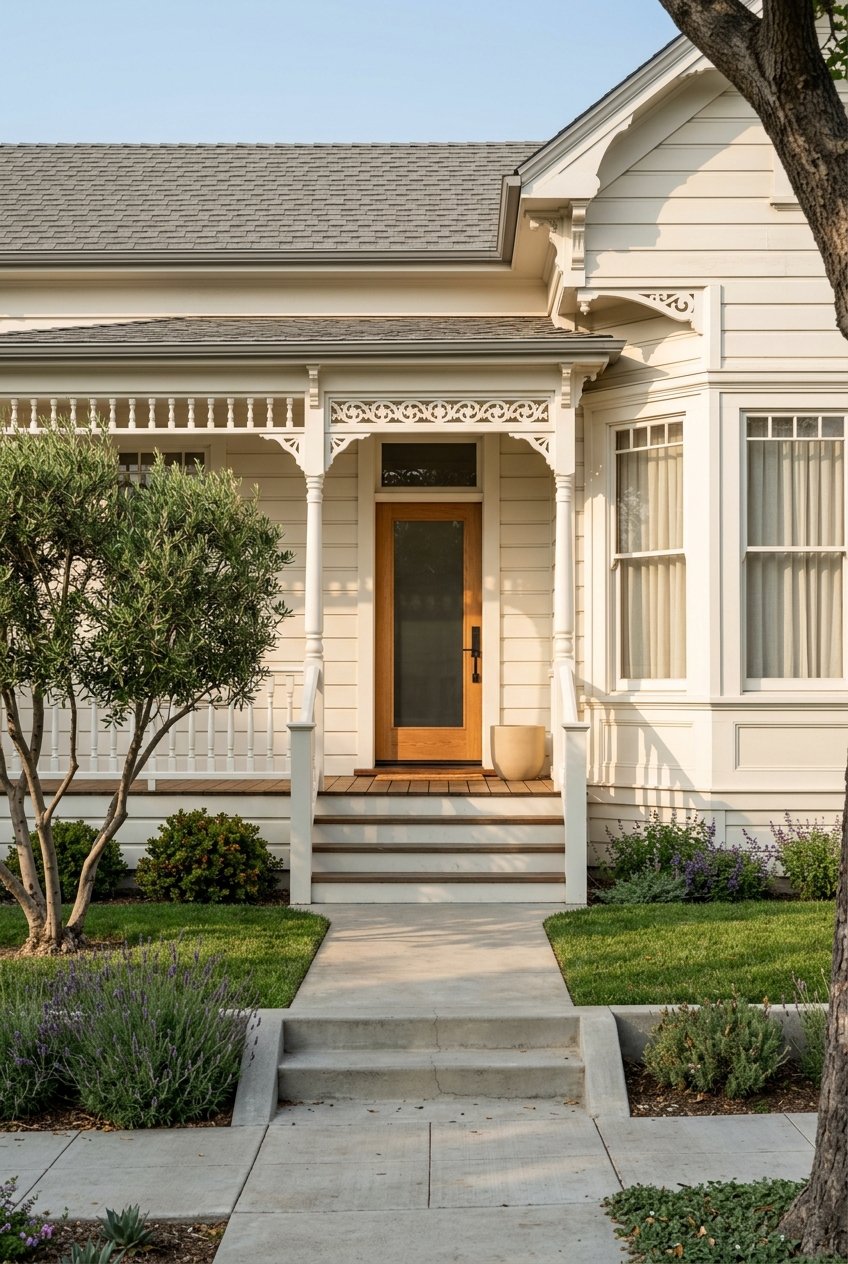
If you want a city that blends everyday convenience with open space, Walnut Creek deserves a close look. You may be drawn to the lively downtown, the trail network, or the variety of homes spread across established neighborhoods and newer mixed-use areas. This guide will help you understand how Walnut Creek feels day to day, from where people gather to how they get around and what to expect from local housing patterns. Let’s dive in.
Why Walnut Creek Stands Out
Walnut Creek has about 70,012 residents across 19.76 square miles, which gives it a city feel without losing access to parks and open land. The city also shows a strong ownership base, with an owner-occupied housing rate of 64.4% and a median owner-occupied home value of $1,057,300, according to the U.S. Census Bureau.
What many buyers notice first is balance. Walnut Creek offers a busy downtown core, established residential areas, and major open-space access all within the same city. That mix can appeal whether you want a more walkable routine, easy BART access, or quick weekend trail time.
Walnut Creek Neighborhood Patterns
Walnut Creek is officially divided into eight neighborhood areas through the city’s CERT program: Buena Vista, Civic Park, Heather Farm, LarRieu, Northgate, Rossmoor, Sugar Loaf, and Tice Valley. These areas help frame how the city functions, even though your day-to-day experience will depend on the specific street, housing type, and access to amenities.
From a practical lifestyle perspective, many people think of Walnut Creek in three broad zones. Downtown and Civic Park form the most walkable core, North Downtown is the main mixed-use growth corridor, and the outer areas tend to feel more residential or trail-oriented. That pattern reflects the city’s planning documents and how amenities are distributed.
Downtown and Civic Park
If you want to be close to restaurants, shopping, library access, and community events, downtown and Civic Park are often the center of attention. This part of Walnut Creek is designed for activity, with retail, dining, services, and public gathering spaces close together.
Civic Park itself is a 16.7-acre downtown park with two playgrounds, picnic areas, a community center with senior programs, a library, Civic Arts Studios, and a seasonal ice rink. It also connects to the Iron Horse Trail, which adds another layer of convenience for walking and biking.
North Downtown
North Downtown is important to watch if you care about future growth and a more connected urban feel. The North Downtown Specific Plan covers the area from Civic Drive to Parkside Drive and from Highway 680 to the Iron Horse Trail, with city goals that include adding homes, offices, community space, and retail while improving walking, biking, and transit access.
For buyers, that can mean a different feel than more established residential pockets. It is one of the clearest examples of Walnut Creek’s effort to support a more mixed-use lifestyle.
Residential and Trail-Oriented Areas
Outside the core, Walnut Creek shifts toward neighborhoods with a more residential rhythm and easier access to parks, open space, and community amenities. Areas such as Heather Farm, Northgate, Sugar Loaf, and Tice Valley can feel less centered on storefronts and more connected to everyday residential living.
That does not mean you are far from conveniences. In Walnut Creek, one of the advantages is how quickly you can move between neighborhood streets, downtown destinations, and trailheads.
What Homes Look Like in Walnut Creek
Walnut Creek does not have a one-note housing stock. According to the city’s 2023-2031 Housing Element, there are 33,969 housing units, with about 37% detached single-family homes, 48% multifamily condos or apartments, and 15% attached homes or townhomes.
That variety matters if you are trying to match lifestyle with property type. You can find options that support lower-maintenance living near the core, as well as more traditional detached homes in established neighborhood settings.
A large share of Walnut Creek’s housing was built between 1960 and 1979, accounting for 56% of the housing stock. In practical terms, that often means a mix of established streetscapes and mature landscaping, along with newer infill development in targeted growth areas.
Trails and Open Space Are a Major Draw
One of Walnut Creek’s biggest lifestyle advantages is its open-space system. The city’s Open Space division manages more than 3,000 acres across four distinct areas and over seven miles of neighborhood trails.
If outdoor access is part of your daily routine, this can be a major plus. Hiking, walking, running, bicycling, dog walking, and equestrian use are all part of how residents enjoy these spaces.
Shell Ridge
Shell Ridge is the city’s largest open space area at 1,420 acres, with 31 miles of trails. It sits surprisingly close to downtown and includes Borges Ranch and Howe Homestead Park.
For many residents, that proximity is part of Walnut Creek’s appeal. You can spend part of the day downtown and still have quick access to a substantial trail network.
Lime Ridge and Sugarloaf
Lime Ridge adds another 1,226 acres and 25 miles of trails, with trailheads and parking in Walnut Creek and Concord. Sugarloaf is smaller at 177 acres with 3 miles of trails, but it still contributes to the city’s wider outdoor system.
Together, these areas give Walnut Creek a strong connection to the outdoors. If you want a location where trails are part of the weekly routine rather than a special trip, this city delivers.
Parks and Everyday Amenities
Walnut Creek’s parks are not just scenic. They support everyday use, from playgrounds and swim facilities to community programming and trail access.
For many households, the strongest amenity cluster is around downtown and Heather Farm. That concentration can make it easier to build a routine around recreation, library visits, and community events.
Heather Farm Park
Heather Farm Park is roughly 100 acres and functions as a major citywide destination. It includes a garden center, swimming complex, lake, pond, nature area, equestrian center, ball fields, tennis courts, and a community center.
The city has also announced major changes here. The existing Community Center is planned for demolition to make way for a new aquatic and community center, while Clarke Swim Center is expected to stay open during construction scheduled from January 2026 through the end of 2027.
Larkey Park and the Library
Larkey Park offers playgrounds, a swim center, picnic areas, and trail connections. It is also home to the Lindsay Wildlife Museum and the Walnut Creek Model Railroad Society, which adds more activity options beyond standard park use.
Nearby, Walnut Creek Library includes a children’s wing, Teen Zone, Business and Career Center, Technology Center, and study rooms. For many buyers, these kinds of civic amenities help define how livable a city feels beyond housing alone.
Dining and Shopping in Walnut Creek
Downtown Walnut Creek is the city’s main restaurant and retail district, and it plays a big role in local lifestyle. The downtown association says the district has more than 120 restaurants, which gives you a wide range of options for casual meals, coffee, and nights out.
Broadway Plaza adds another major draw with 80 specialty shops and restaurants in an open-air setting. The year-round Sunday farmers market on Locust Street also gives downtown a steady weekend rhythm that many residents enjoy.
If you are comparing Bay Area cities, this is one of Walnut Creek’s clearest advantages. It offers a concentrated downtown experience without requiring you to leave the city for dining, shopping, or recurring weekend activities.
Getting Around Walnut Creek
Walnut Creek supports a more flexible transportation routine than some suburban markets. The city’s free Route 4 Downtown Trolley runs seven days a week from Walnut Creek BART Station to downtown shopping, dining, and entertainment stops, with service every 20 minutes.
County Connection also expands local access through Route 5 Creekside Shuttle and Route 14 Monument Shuttle, serving Creekside, South Main, Walnut Creek BART, and nearby shopping and school destinations. That additional transit layer can make a real difference in day-to-day mobility.
BART Access
Walnut Creek has two BART stations. Walnut Creek station serves downtown and major shopping and employment areas, while Pleasant Hill/Contra Costa Centre serves northern Walnut Creek and nearby cities.
Both stations offer secure vehicle parking and bicycle lockers. BART also connects Walnut Creek to Berkeley, Oakland, San Francisco, Oakland International Airport, and San Francisco International Airport, which is helpful if your work or travel routine extends across the Bay Area.
Is Walnut Creek Walkable?
Walkability in Walnut Creek depends heavily on where you live. In general, downtown and North Downtown offer the strongest walkable, mixed-use experience, and the city’s North Downtown plan is specifically designed to improve walking, biking, and transit access.
In more residential parts of the city, daily life may still be more car-dependent. Still, Walnut Creek offers a meaningful car-light option for some households because of its mix of BART, trolley, local shuttles, and downtown destinations.
What Families and Buyers Should Know
If you are moving with children or simply planning for long-term livability, Walnut Creek offers a strong network of parks, open space, and civic amenities. Civic Park, Larkey Park, Heather Farm, the library, and the open-space system are central parts of that picture.
For school planning, one important detail is that not every Walnut Creek address is in Walnut Creek School District. The district serves about 3,600 TK-8 students at six elementary schools and one intermediate school, but some city addresses are in Mt. Diablo School District, so buyers should verify boundary details for any specific property.
Why Walnut Creek Appeals to So Many Buyers
Walnut Creek works for different kinds of buyers because it combines several priorities in one place. You have a strong downtown, significant trail access, a broad mix of housing, and useful regional transit connections.
That combination can be especially appealing if you want choices in how you live. You may want a condo near downtown, a detached home in a more established neighborhood, or a property that keeps you close to parks and commuter routes while still offering an active local scene.
If you are considering a move in Walnut Creek, the right fit often comes down to your preferred daily rhythm. Some buyers want to walk to restaurants and BART, while others prioritize larger residential areas, park access, or a specific housing style. Working through those tradeoffs early can help you focus on the neighborhoods and property types that best match your goals.
If you want expert guidance on Walnut Creek neighborhoods, housing options, or your next move in the East Bay, connect with Susanne Alexander.
FAQs
What is daily life like in Walnut Creek, CA?
- Walnut Creek offers a mix of downtown shopping and dining, established residential neighborhoods, major parks, and more than 3,000 acres of city-managed open space.
What kinds of homes are common in Walnut Creek?
- Walnut Creek has a broad housing mix, including about 37% detached single-family homes, 48% multifamily condos or apartments, and 15% attached homes or townhomes.
Is downtown Walnut Creek walkable?
- Downtown Walnut Creek is one of the city’s most walkable areas, with restaurants, shops, Civic Park, the library, and transit connections located close together.
What trails are available in Walnut Creek?
- Walnut Creek’s open-space system includes Shell Ridge, Lime Ridge, and Sugarloaf, with trail access for hiking, walking, running, bicycling, dog walking, and equestrian use.
Does Walnut Creek have good public transit?
- Walnut Creek has two BART stations, a free downtown trolley, and local County Connection shuttles and buses that support regional and local travel.
What should buyers know about Walnut Creek school boundaries?
- Not every Walnut Creek address is in Walnut Creek School District, so buyers should verify the district boundary for any specific property they are considering.