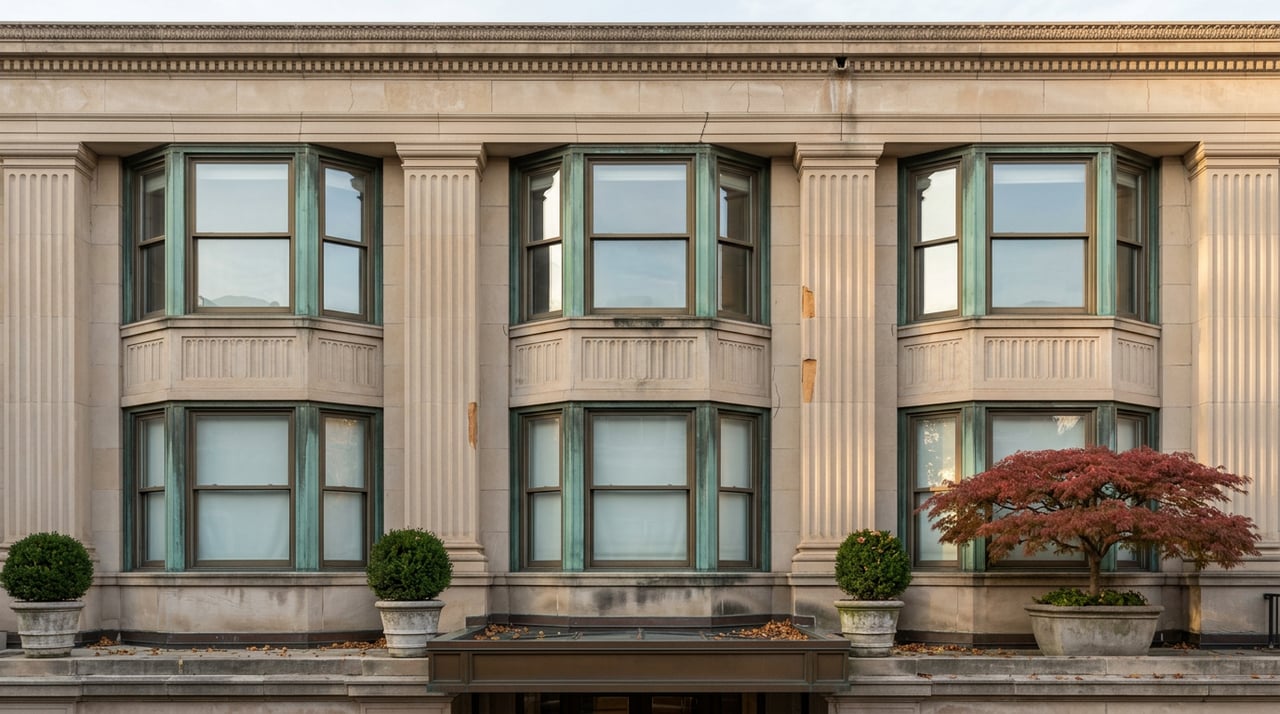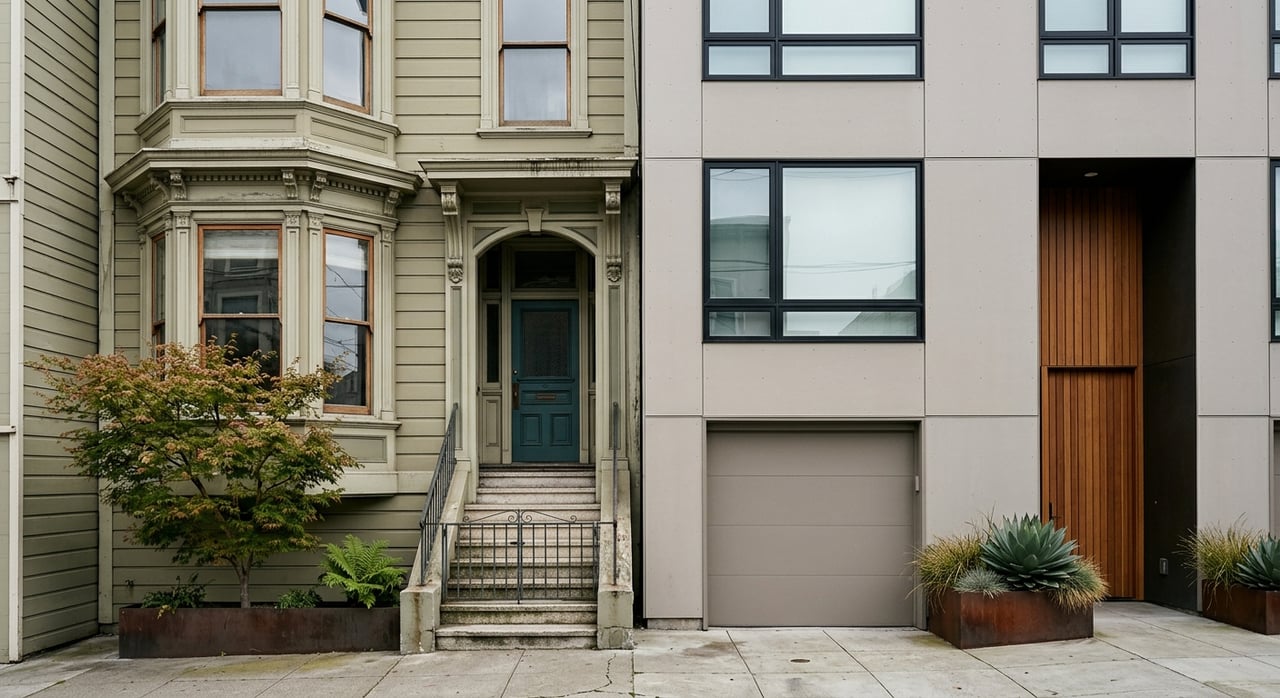
If you are torn between a sleek newer condo and a classic San Francisco flat, Hayes Valley is one of the best places to make that comparison. This neighborhood gives you both, often within a few blocks, which can make your decision feel exciting and a little tricky at the same time. The good news is that once you understand how these homes differ in daily life, upkeep, and long-term fit, your choice becomes much clearer. Let’s dive in.
Why this choice matters in Hayes Valley
Hayes Valley is not a neighborhood with just one housing story. Within the Market & Octavia planning area, it includes a meaningful historic housing stock while still adding new homes through infill development. SF Planning’s 2025 Housing Inventory lists 64 units completed from new construction in 2025 and 68 net new housing units in Hayes Valley.
That mix is a big reason buyers often compare newer builds and classic flats side by side here. You are not choosing between two abstract ideas. You are choosing between two very real ways of living in a dense, transit-oriented San Francisco neighborhood.
The area’s planning framework also shapes that decision. SF Planning emphasizes transit-oriented development, and parking rules are built around transit access rather than car-first design. In practical terms, that means the home you love on paper should also match how you plan to get around every day.
What newer builds usually offer
Modern layouts and finishes
Newer Hayes Valley condos are often part of the neighborhood’s post-freeway infill development pattern. They tend to feel more contemporary, with layouts that are usually more standardized than older flats. That does not mean every new unit feels the same, but many buyers notice a more streamlined floor plan and a more current overall look.
If you value simplicity, this can be a strong advantage. A newer build may feel easier to settle into right away, especially if you want a home that supports a move-in-ready lifestyle with fewer surprises in layout or function.
A more defined HOA structure
In a newer condo building, the homeowners association often plays a central role in your ownership experience. Under California law, sellers in common-interest developments must provide governing documents, the most recent annual budget report, current fee information, and other key disclosure materials before transfer. Associations must also provide requested documents within 10 days and can charge only a reasonable fee based on actual cost.
This matters because monthly dues tell only part of the story. The annual budget report must include an operating budget, reserve summary, and reserve funding plan, so you will want to look beyond the headline HOA number and understand the building’s financial health.
California also requires reserve studies to be updated through periodic board review and visual inspection. Condominium associations must inspect exterior elevated elements on a nine-year cycle, which is especially relevant in buildings with decks, balconies, or similar common-area features. If you are comparing newer buildings, this is one of the most important diligence items to review carefully.
Parking may be limited or highly specific
Parking is often one of the biggest lifestyle differences in newer Hayes Valley buildings. Some condos include deeded parking or shared garage access, but you should verify that in writing rather than assume it comes with the unit. In this neighborhood, parking details can change how convenient the home feels once you move in.
That is especially true because Hayes Valley already has real curb-space pressure. SFMTA notes metered parking on many eastern streets, an SFMTA-operated Performing Arts Garage at Grove and Gough, and strong transit access that includes several Muni bus routes and the Van Ness Muni Metro station.
SFMTA also approved an expansion of Pay or Permit parking across 68 blockfaces on June 2, 2026, with the project expected to go live in 2027. Visitors will pay hourly rates, while the Residential Permit Parking program remains unchanged for permit holders. If you own a car, this should be part of your decision from day one.
What classic flats usually offer
Historic character and less uniform layouts
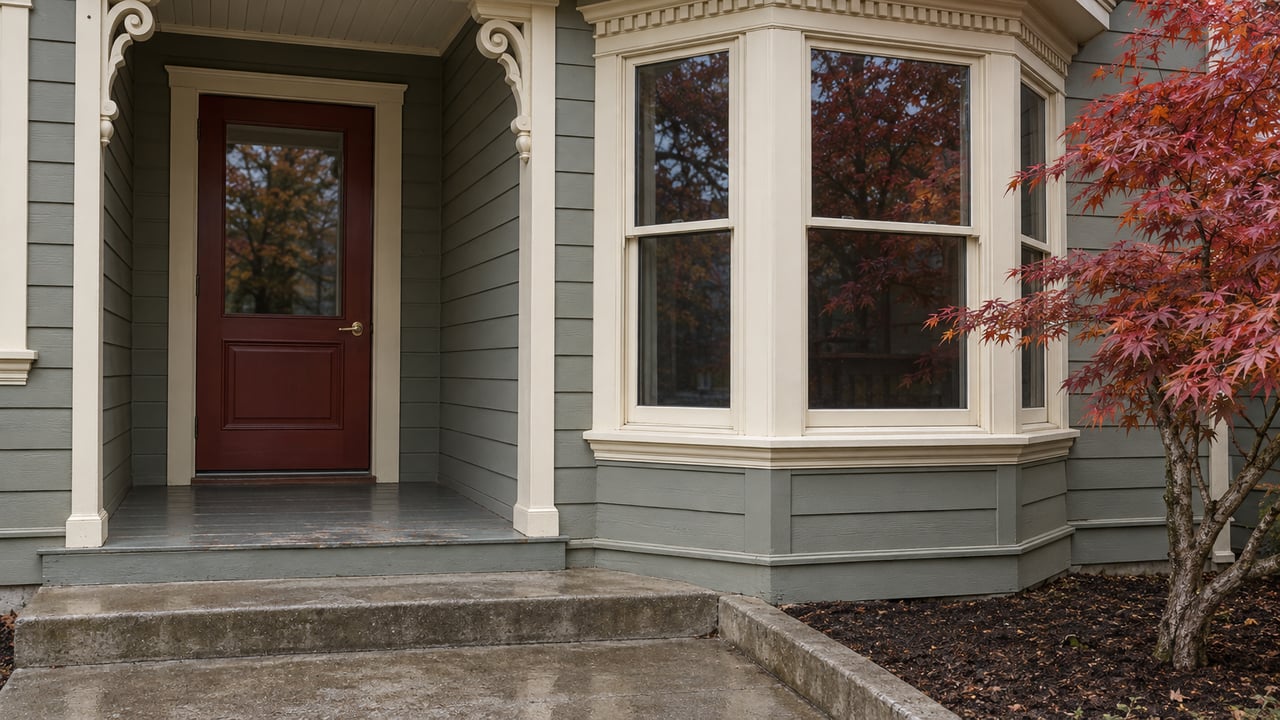
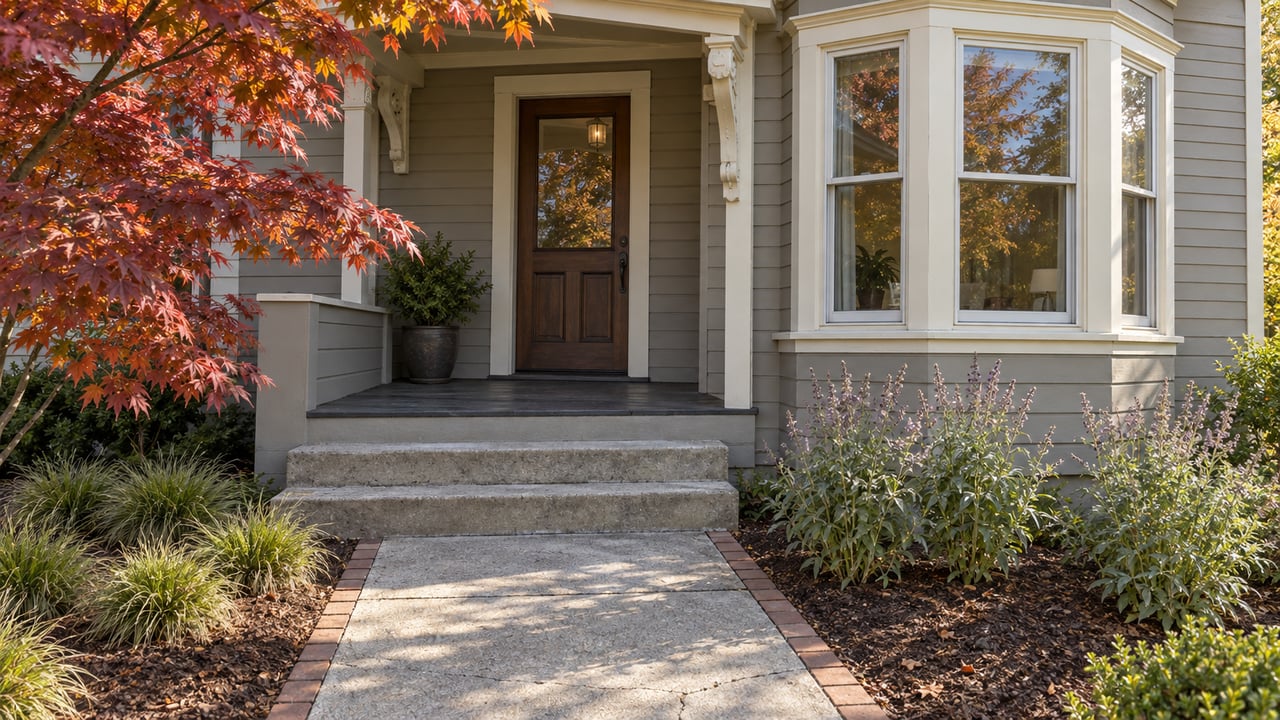
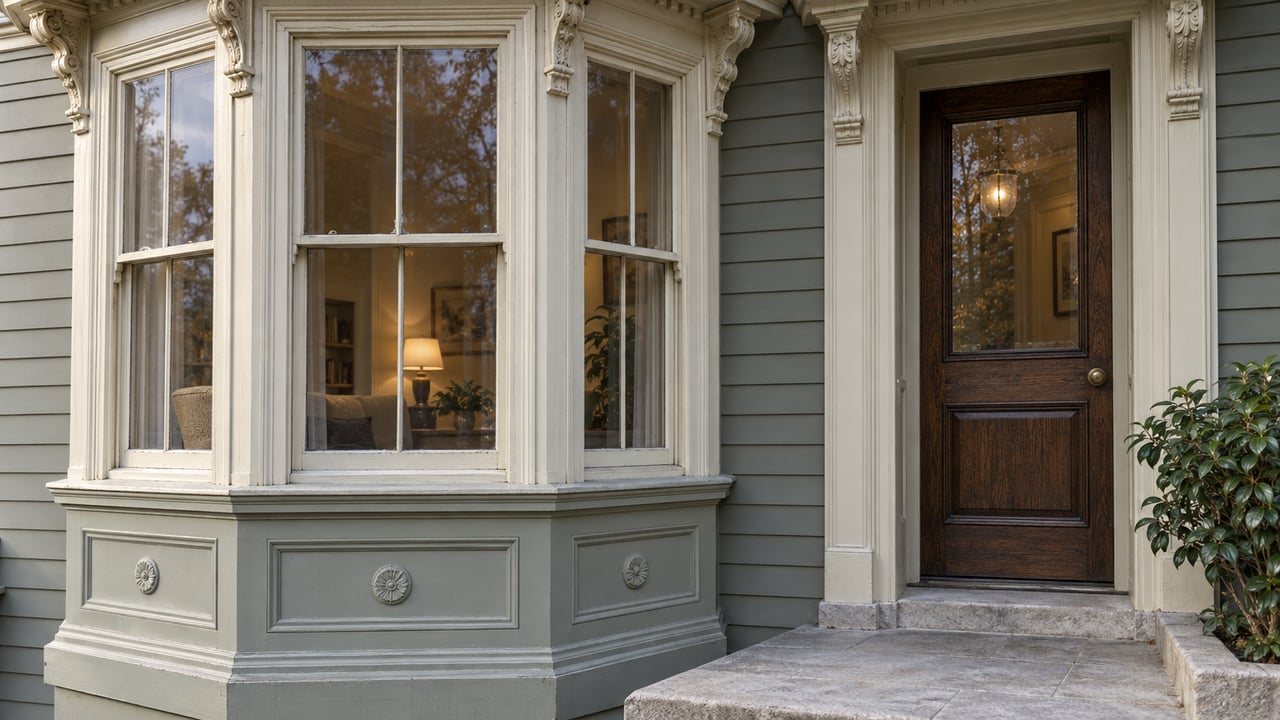
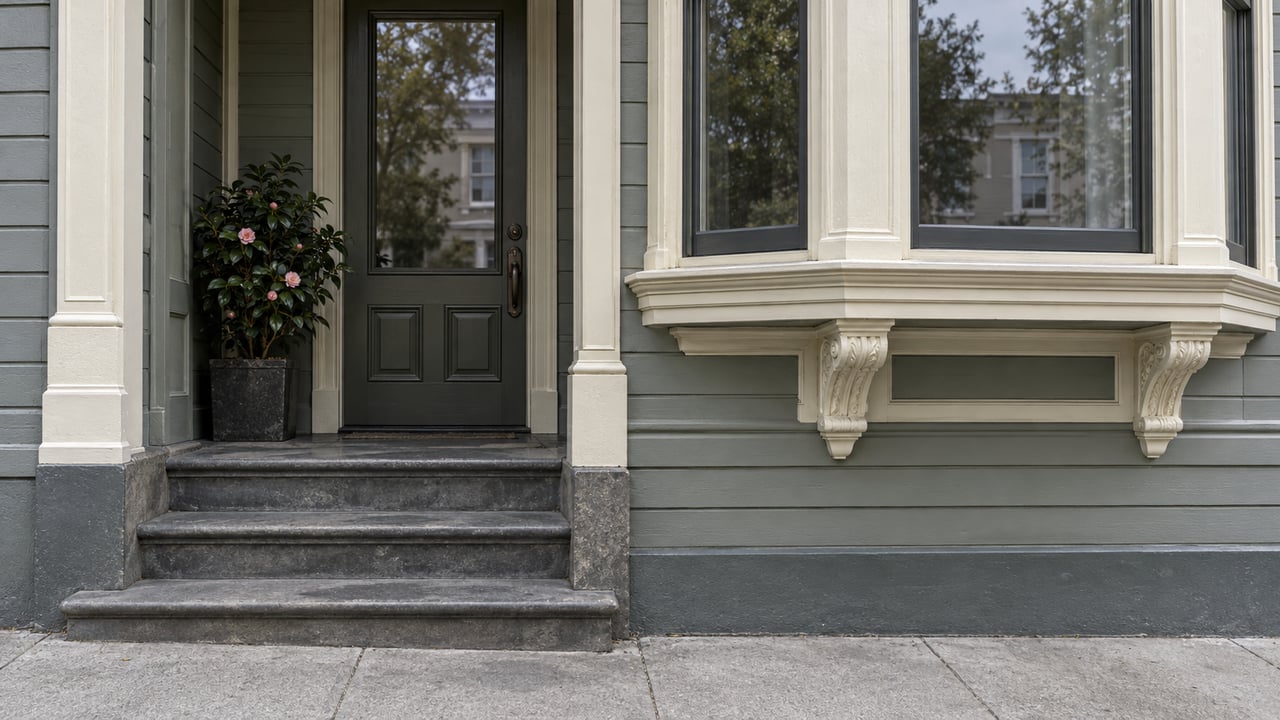
Classic flats are a big part of Hayes Valley’s identity. SF Planning states that the Hayes Valley Historic District centers on Victorian and Edwardian houses built between 1860 and 1920, while the Hayes Valley Commercial District includes Victorian-era flats, dwellings, commercial development, and apartments.
For many buyers, this is the emotional pull. These homes often offer period detail and a less cookie-cutter floor plan than a newer condo. The exact room flow still depends on the building’s renovation and conversion history, but if character matters to you, classic flats often deliver it in a way newer construction cannot replicate.
The building type matters too. SF Planning says the historic district buildings are primarily wood-frame construction, with masonry and concrete making up a smaller share. That can shape everything from feel underfoot to sound between units.
HOA review still matters
A classic flat may feel more individual, but if it is owned as a condo, the HOA paperwork is just as important as it is in a newer building. Buyers should review governing documents, the budget report, reserve summary, unpaid assessment statements, rental restrictions, and any available board minutes.
Older associations can be very well run. Still, classic buildings may carry more uncertainty around long-term maintenance, which is why reserve funding and disclosure review deserve extra attention. A lower HOA fee is not always the better value if future repairs are underfunded.
Noise and privacy can vary more
In classic flats, privacy and noise often depend heavily on the specific unit. Because much of the historic stock is wood-frame and built on small lots, one flat may feel peaceful while another feels much more connected to the street or neighboring units.
That does not mean classic flats are automatically noisy. It does mean you should pay close attention to floor level, shared walls, window orientation, and whether the unit faces the street, an alley, or an interior courtyard.
San Francisco’s noise rules also shape the environment around you. Construction work between 8:00 p.m. and 7:00 a.m. is restricted unless a special permit is granted when noise exceeds the allowed threshold at the nearest property plane, and the Building Inspection Division issues night-noise permits. If you are sensitive to sound, unit placement matters just as much as building age.
How to decide which home fits you
Choose based on daily lifestyle
In Hayes Valley, the better question is usually not simply “new or old?” It is “Which home supports the way you want to live?”
A newer build may suit you if you want a more car-light routine, a more standardized ownership structure, and a more contemporary feel. A classic flat may suit you if you care deeply about architectural character and are comfortable doing deeper diligence on maintenance, reserves, and unit-specific noise exposure.
Look at the building, not just the era
It is easy to assume newer means easier and older means riskier. In reality, buyers should compare the building’s actual HOA health and parking setup rather than relying on age alone.
A well-managed classic flat can be a great fit. A newer building with weak reserves, unclear parking rights, or a layout that does not suit your life may not be the better choice just because it is more recent.
Pay attention to transit and parking reality
Hayes Valley is a transit-rich neighborhood, and that shapes ownership in a very practical way. If you plan to rely on Muni, walkability, and nearby services, a newer condo without much parking may feel completely workable.
If you drive regularly or expect frequent guests with cars, parking deserves a closer look. Between metered streets, permit rules, and the planned Pay or Permit expansion, this is one detail you do not want to leave unresolved.
A smart buyer’s checklist for Hayes Valley
Before you choose between a newer build and a classic flat, focus on these points:
- Confirm whether parking is deeded, leased, shared, or not included
- Review HOA dues alongside the reserve summary and budget report
- Ask for governing documents, fee information, and available board materials
- Check whether exterior elevated elements like decks or balconies are part of the building
- Evaluate floor level, shared walls, and window orientation for privacy and noise
- Consider whether your day-to-day life is car-light, transit-focused, or car-dependent
- Compare the specific unit’s function, not just the building’s age or style
The bottom line on Hayes Valley homes
Hayes Valley offers a rare side-by-side choice between contemporary infill housing and classic San Francisco flats with history and character. That variety is part of what makes the neighborhood so compelling, but it also means your best option depends on how you want to live, not just what looks best in listing photos.
With the right guidance, you can compare these homes in a practical way and avoid common assumptions about age, maintenance, and convenience. If you want help weighing classic charm against newer construction in Hayes Valley, Susanne Alexander can help you evaluate the details that protect your lifestyle and your investment.
FAQs
What is the main difference between newer builds and classic flats in Hayes Valley?
- Newer builds often offer a more contemporary feel, more standardized layouts, and a clearer condo structure, while classic flats often offer more period character and less uniform floor plans.
How important is HOA review when buying a Hayes Valley condo?
- HOA review is very important for both newer and older condos because California requires sellers to provide key documents like governing materials, budget reports, fee information, and related disclosures.
Do newer Hayes Valley condos always come with parking?
- No. Some newer condos include deeded or shared parking, but you should verify the parking arrangement in writing rather than assume it is included.
Are classic flats in Hayes Valley noisier than newer buildings?
- Not always, but noise and privacy can vary more from unit to unit in classic wood-frame buildings, so it is smart to evaluate shared walls, floor level, and window orientation carefully.
Is Hayes Valley a good neighborhood for car-light living?
- Hayes Valley has strong transit access, including several Muni bus routes and the Van Ness Muni Metro station, so many buyers find it supports a car-light lifestyle well.