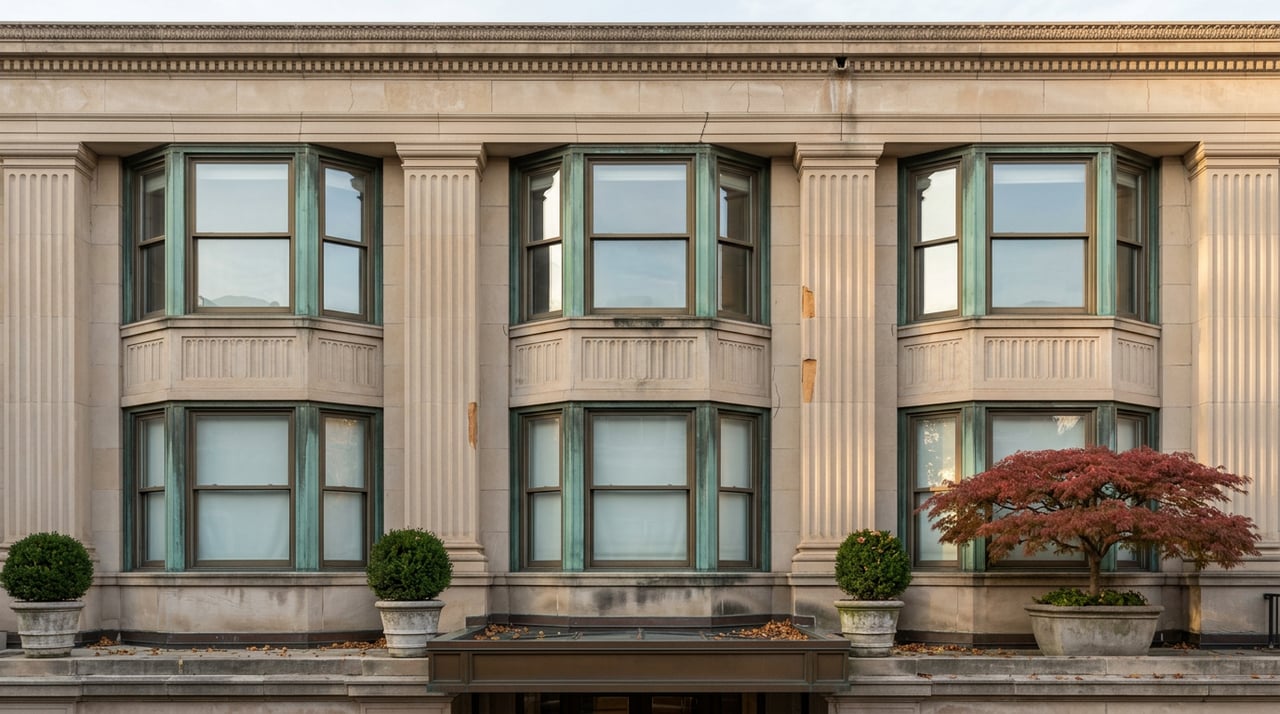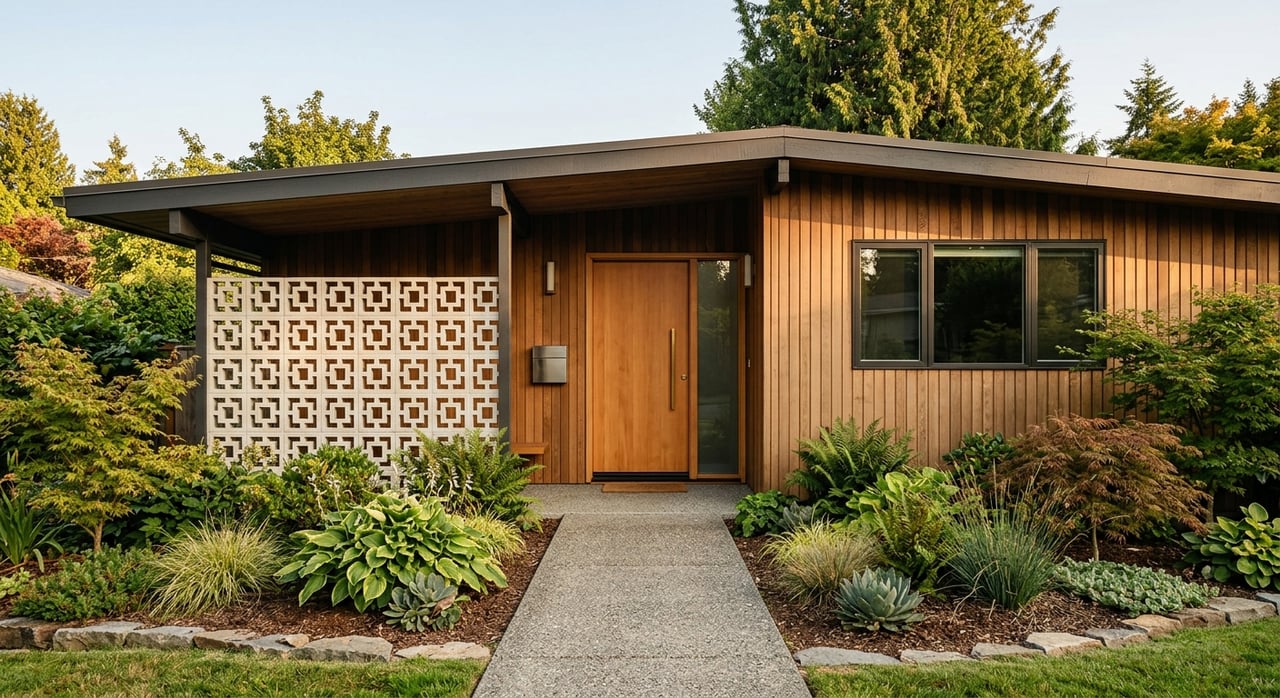
Wondering whether Alameda’s classic Victorian charm or a cleaner midcentury layout fits you better? You are not alone. In a city with thousands of older buildings and distinct pockets of later development, your favorite look can shape not just how a home feels, but also how you plan updates, budget for upkeep, and move through the buying process. This guide will help you compare the two styles so you can shop with more clarity and confidence. Let’s dive in.
Why style matters in Alameda
In Alameda, home style is more than curb appeal. The city has more than 10,000 buildings built before 1930, and its preservation rules can affect exterior renovations, review steps, and timelines.
That is especially important if you are considering an older home. Exterior work on historic monuments and contributing structures can require a Certificate of Approval, and all buildings built before 1942 are subject to California’s State Historical Building Code. In practical terms, the style you choose may influence how simple or involved future improvements will be.
Alameda’s two broad style paths
Alameda offers a mix of older, detail-rich homes and later, more streamlined housing. The city’s growth history helps explain why.
Early neighborhoods developed alongside water and rail transportation, which helped shape Alameda’s stock of Victorian-era homes. Later, much of the city’s growth from 1970 to 1990 took place on Bay Farm Island, where newer housing became a major part of the landscape.
Older homes with historic character
Alameda’s design guidance recognizes several pre-World War II styles as historic resources. These include Victorian, Edwardian, Colonial Revival, Craftsman, Spanish, and Period Revival homes.
Even when a home has lost some of its original surroundings, the city still treats these styles as part of Alameda’s architectural story. That can be a real plus if you value craftsmanship and character, but it also means updates should respect the home’s original form and details.
Later homes with simpler layouts
Postwar ranch and midcentury homes offer a different kind of appeal. These homes usually lean toward lower rooflines, less ornament, larger areas of glass, and more direct interior flow.
If your priority is functional living, daylight, and a more straightforward floor plan, later homes may feel easier to live in day to day. They often offer a simpler path for cosmetic updates, though they still come with their own maintenance needs.
What Victorian homes feel like
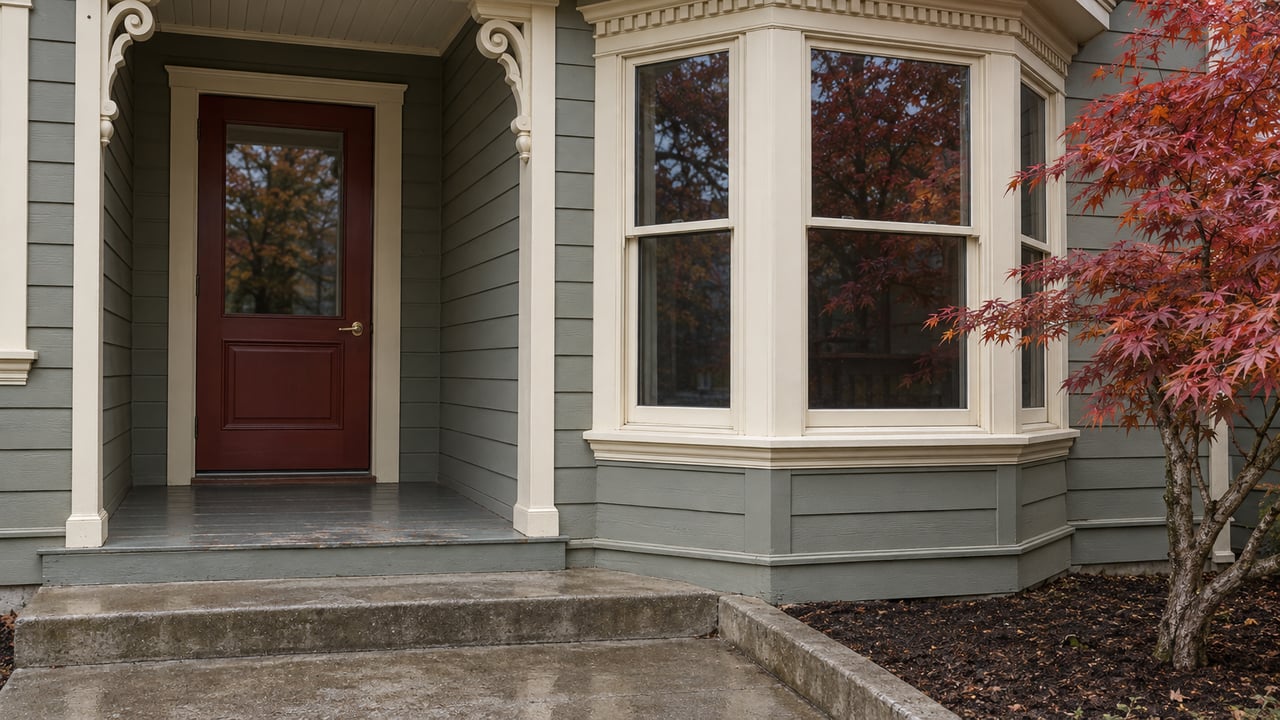
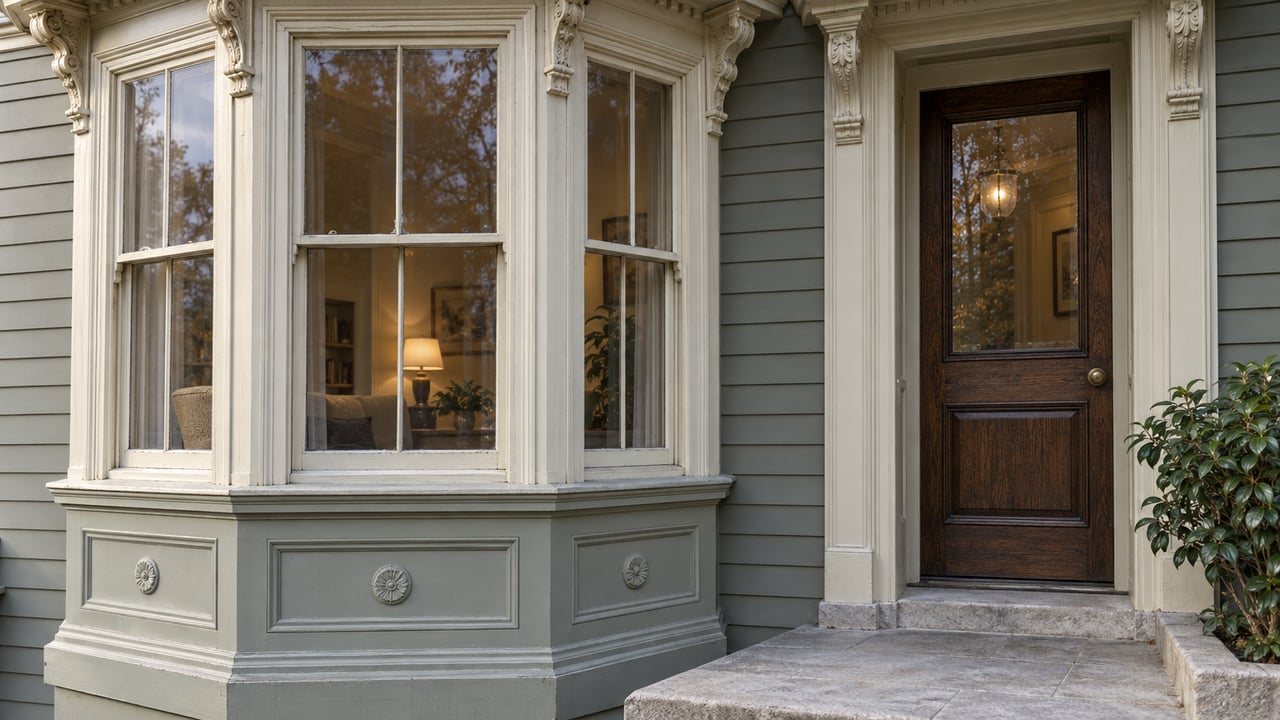
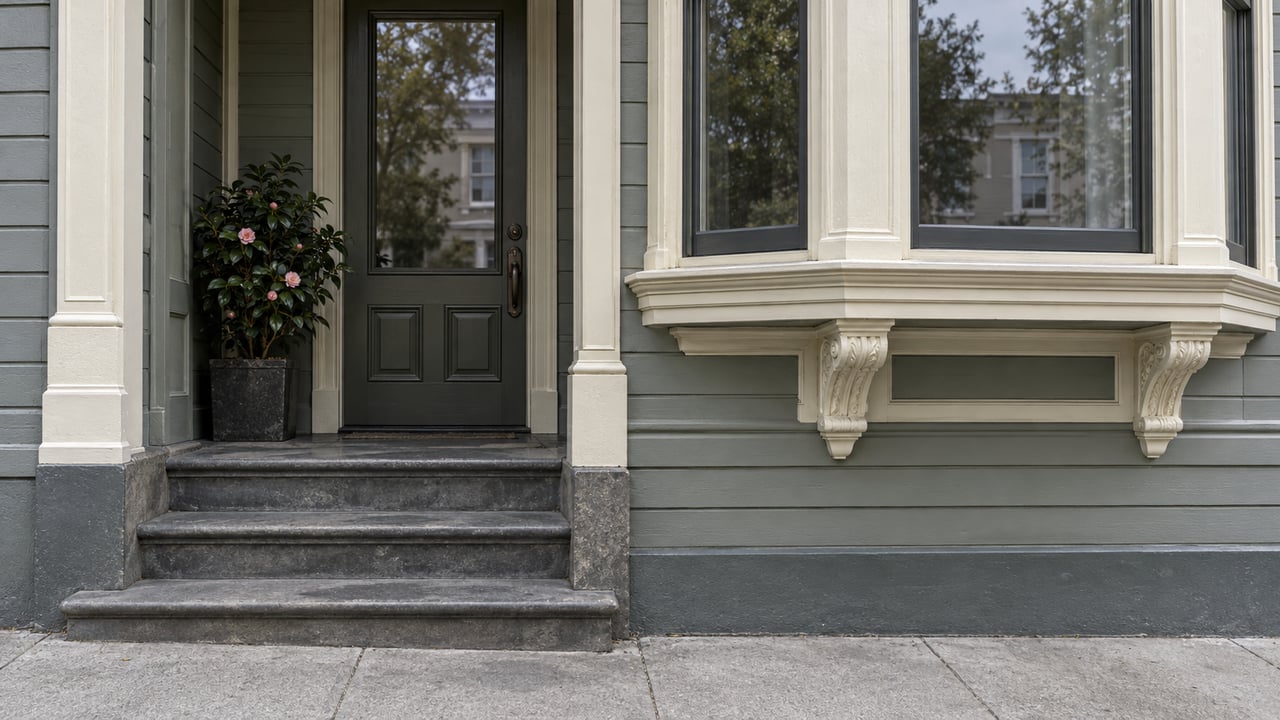
Victorian and Queen Anne homes tend to be the most ornate in Alameda’s older housing stock. They are often asymmetrical and may include wraparound porches, turrets, angled roof brackets, and a mix of exterior materials.
Many late-19th-century Victorian and Colonial Revival homes in Alameda also sit on raised basements. That creates a taller front approach and a stronger vertical presence from the street, which can make the home feel especially formal and memorable.
Interior layout and daily living
Victorian homes often feel more segmented inside. A central stair can organize the home, and rooms may have more clearly defined uses rather than one large open living area.
For some buyers, that is a major advantage. If you like separate spaces for dining, reading, working, or hosting, a Victorian may feel rich with purpose and personality.
Update considerations for Victorian homes
With older Alameda homes, renovations often need a thoughtful approach. The city’s design guide says additions and remodels should match the original massing, style, window patterns, and design elements, while retaining or restoring original material when possible.
If a feature is missing, the city recommends using old photos, physical evidence, or comparable unaltered homes of the same style to guide the work. That can make restoration rewarding, but it may also require more planning than a standard remodel.
What Craftsman homes offer
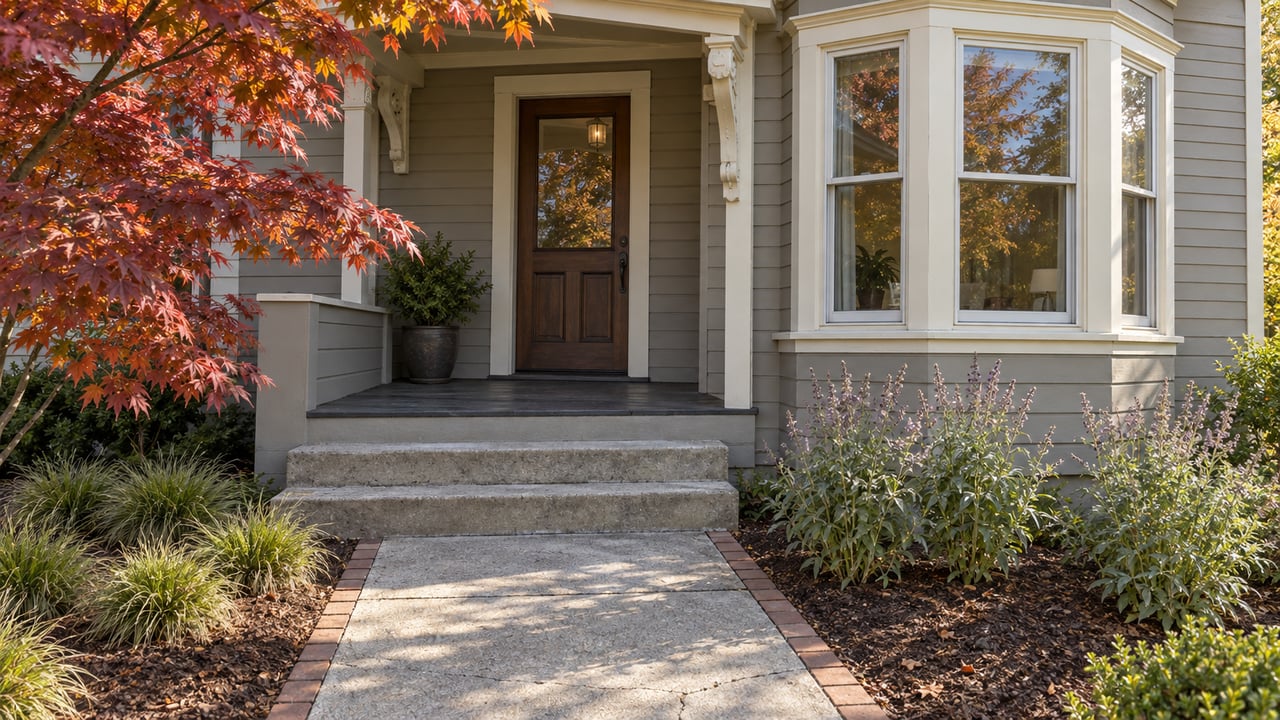
If you like historic homes but want a softer, more relaxed feel, Craftsman houses often hit that middle ground. They are usually one to two stories and often feature broad gables, exposed rafters, stained woodwork, porches, and many windows.
In the Bay Area, Craftsman homes often use wood inside and out and are designed to feel closely connected to the landscape. The result is often warm, comfortable, and less formal than a Victorian.
Floor plan and function
Craftsman homes usually feel more connected inside. Main living spaces are often less compartmentalized, with fewer hallways and a more open flow than many Victorian layouts.
That balance can be appealing if you want character without quite as much ceremony. You still get original details and charm, but with a cozier layout that can feel more flexible for modern living.
What midcentury homes bring
Midcentury and postwar homes offer a very different experience. Ranch houses are typically one story, long and low, with low-pitched roofs, attached garages, large picture windows, and often sliding glass doors.
A typical 1950s ranch plan emphasized zoned living, with public and private areas separated in a practical way. Many buyers still respond to that simplicity because it feels intuitive and efficient.
Midcentury modern style at a glance
Midcentury modern homes take that era’s ideas a step further. They often feature long, low forms, efficient materials such as steel and concrete, prefabricated elements, and generous glass, including floor-to-ceiling windows.
Compared with older homes, the visual effect is usually cleaner and more understated. If you prefer minimal ornament and a stronger indoor-outdoor feel, this style may be the better fit.
Why later homes appeal to many buyers
Later homes often work well for buyers who prioritize daylight, garage access, and a straightforward layout. If you are less interested in decorative trim and more interested in ease of living, these homes can check a lot of boxes.
That does not mean they are maintenance-free. Instead, the focus often shifts toward roof drainage, window efficiency, and keeping the building envelope in good shape.
How maintenance differs by style
One of the smartest ways to compare styles is to look beyond beauty and think about upkeep. In Alameda, that can help you avoid surprises after closing.
Older homes often need more visible preservation-minded care. Later homes may be simpler in appearance, but they still require attention in key systems and exterior elements.
Older homes: repair over replacement
For historic windows, repair and weatherization can often be a practical option instead of replacement. For porches, preservation guidance supports targeted repairs such as dutchman repairs, epoxy or wood fillers, and matching replacement parts for railings or balusters rather than replacing everything at once.
That approach can help preserve original character. It also means buyers should be comfortable with a more detailed repair process when maintaining an older home.
Midcentury homes: simpler details, different priorities
With ranch and midcentury homes, the decorative repair list is often shorter. However, roof shape is an important part of style identity, and keeping roofs weathertight matters in both older and newer homes.
Routine care can include cleaning gutters and downspouts, replacing deteriorated flashing, and avoiding roof changes that alter the home’s visual character. Windows can also become a meaningful budget item, especially if efficiency is a priority.
Which style fits your lifestyle?
The right choice often comes down to how you want to live, not just what photographs well. Alameda offers two very different kinds of charm, and neither is automatically better.
A Victorian or Craftsman-era home may fit you best if you value original trim, porch living, and architectural personality. These homes often appeal to buyers who are comfortable with preservation-sensitive repairs and possible extra review time for certain projects.
A midcentury or later home may fit you better if you prefer lower ornament, more glass, and a more casual layout. These homes can be a strong match if you want functional updates without as much focus on restoring historic detail.
Budget questions to ask yourself
Budget is not just about purchase price. In Alameda, your long-term costs can vary based on a home’s age, condition, and whether preservation rules may affect future work.
With older homes, the bigger questions often involve how much original material remains, how much exterior restoration is needed, and whether the property falls into a category that adds review steps. With later homes, you may spend less on ornate exterior repairs, but still need to plan for roofs and windows.
Here are a few useful questions to ask as you compare homes:
- Do you want original character enough to take on a more careful repair process?
- Would you rather have a simpler layout with fewer decorative elements to maintain?
- Are you comfortable with possible design review steps for exterior work?
- Do you prefer defined rooms or a more open, casual flow?
- Is your renovation budget better suited to restoration or functional updating?
A smart way to shop in Alameda
When you tour homes in Alameda, try to look at style and condition together. A beautiful Victorian with strong original detail may be the right fit if you love craftsmanship and understand the upkeep that can come with it.
A well-sited ranch or midcentury home may be a better match if you want cleaner lines, easier daily flow, and more straightforward modernization. The key is knowing what tradeoffs you are happy to make before you fall in love with a facade.
If you want help weighing historic character against layout, maintenance, and resale appeal, Susanne Alexander can help you compare Alameda options with a clear strategy and local perspective.
FAQs
What makes Victorian homes in Alameda different from midcentury homes?
- Victorian homes in Alameda are typically more ornate, more vertical, and often have segmented floor plans, while midcentury homes usually have lower rooflines, less ornament, more glass, and simpler layouts.
What should buyers know about renovating older Alameda homes?
- Buyers should know that exterior work on some historic properties can require a Certificate of Approval, and buildings built before 1942 are subject to California’s State Historical Building Code.
What are common maintenance concerns for historic homes in Alameda?
- Common concerns include preserving older windows, repairing porch elements carefully, and matching original materials and design details when parts need restoration.
What are common maintenance concerns for midcentury homes in Alameda?
- Common concerns often center on roof drainage, flashing, gutters, downspouts, and window efficiency rather than ornate exterior detail repair.
Which Alameda home style is better for a more open layout?
- Craftsman, ranch, and midcentury homes often feel more open or connected than Victorian homes, which usually have more defined rooms.
Where are later-era homes especially relevant in Alameda?
- Later-era housing is especially relevant in areas shaped by Alameda’s post-1970 growth, including Bay Farm Island.