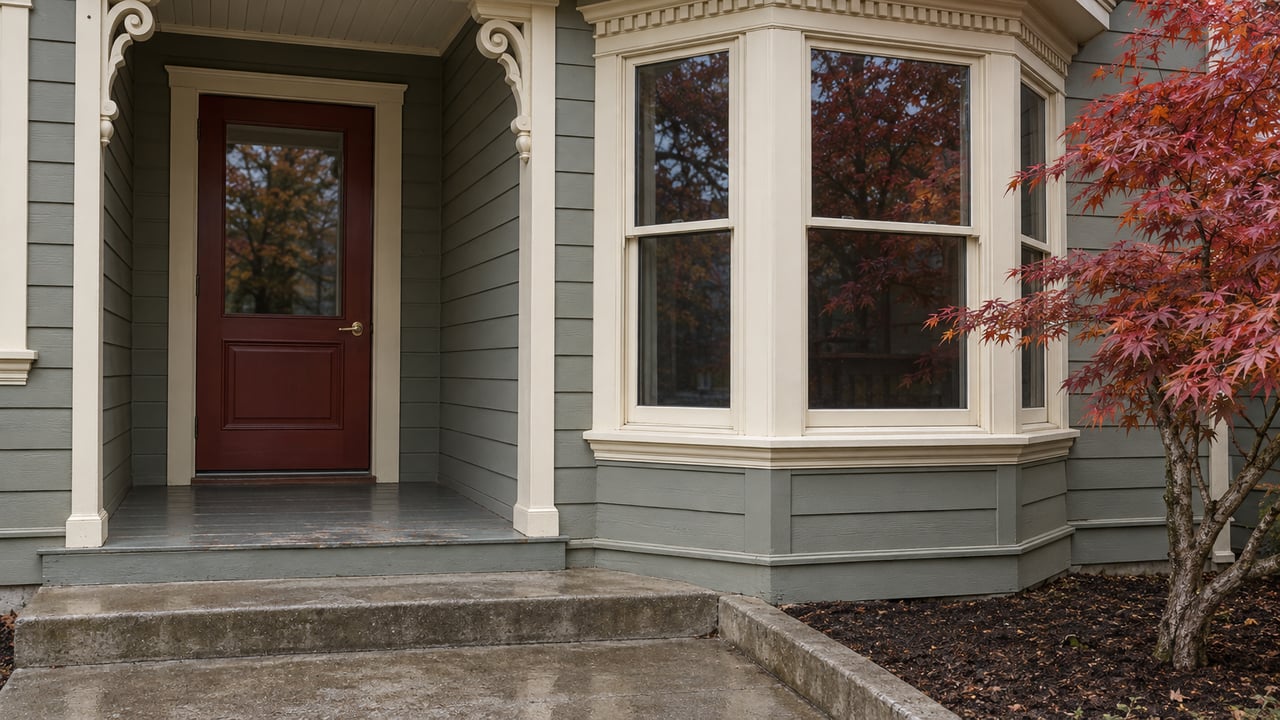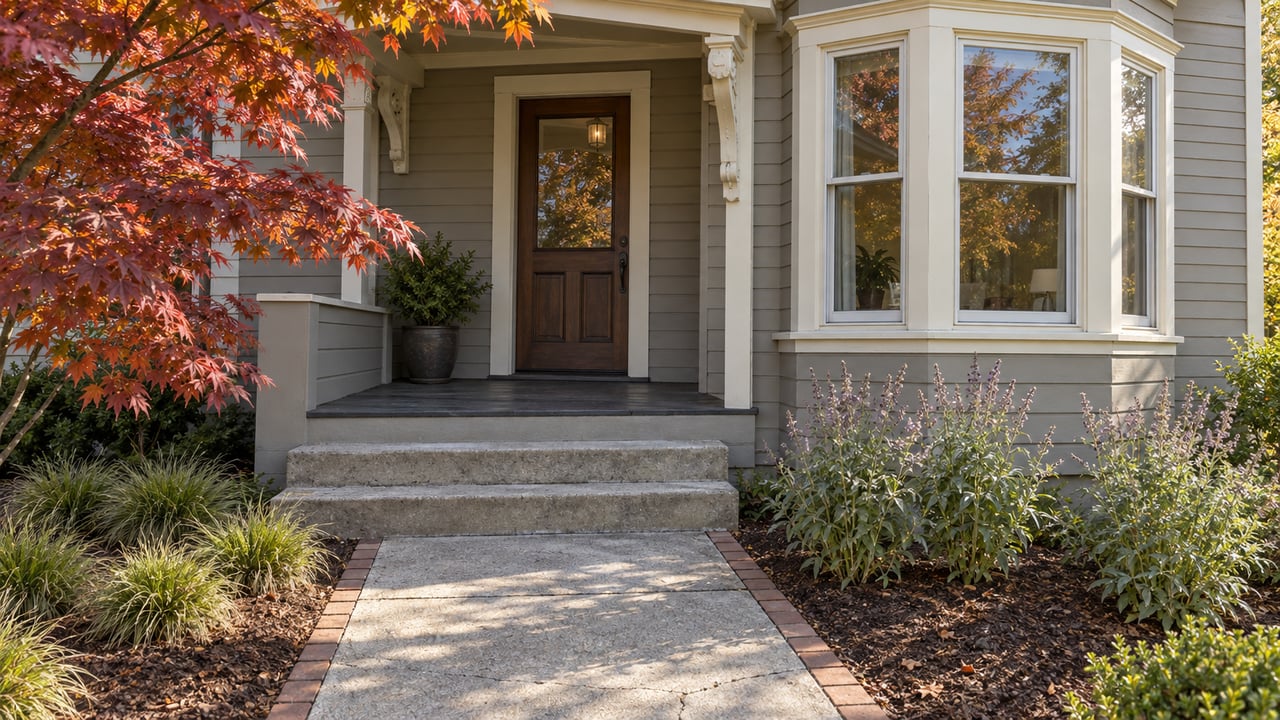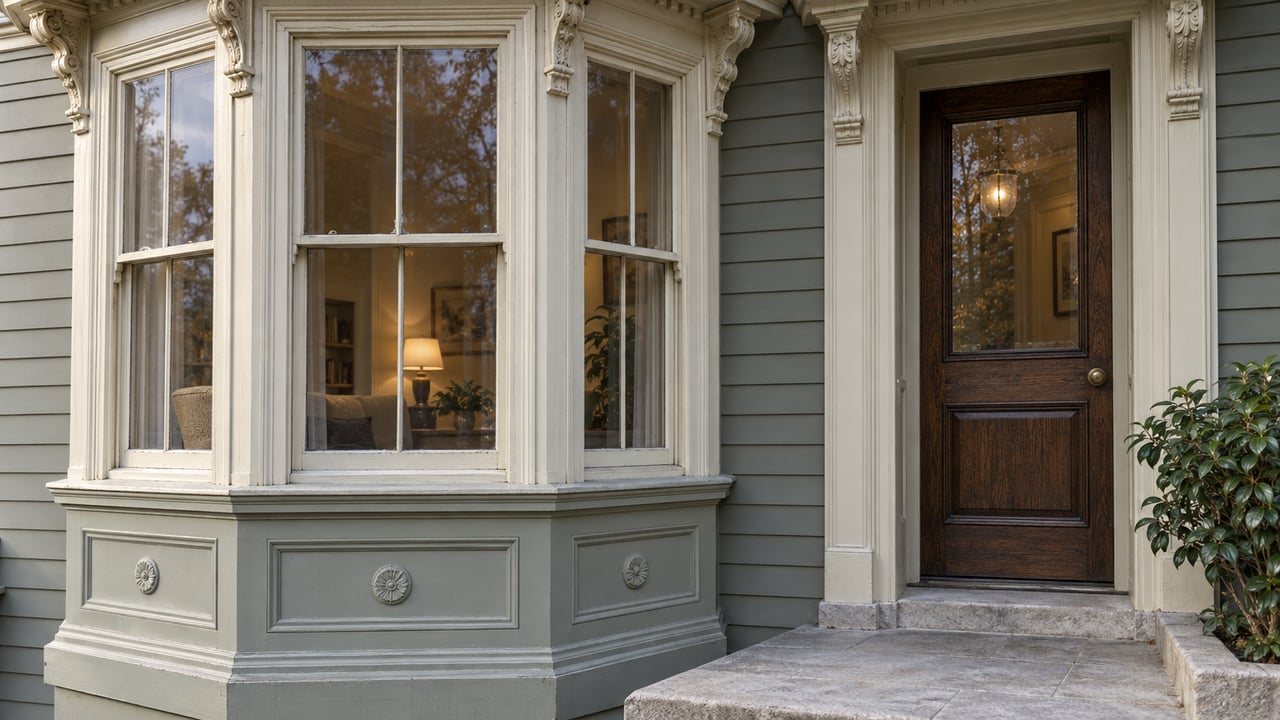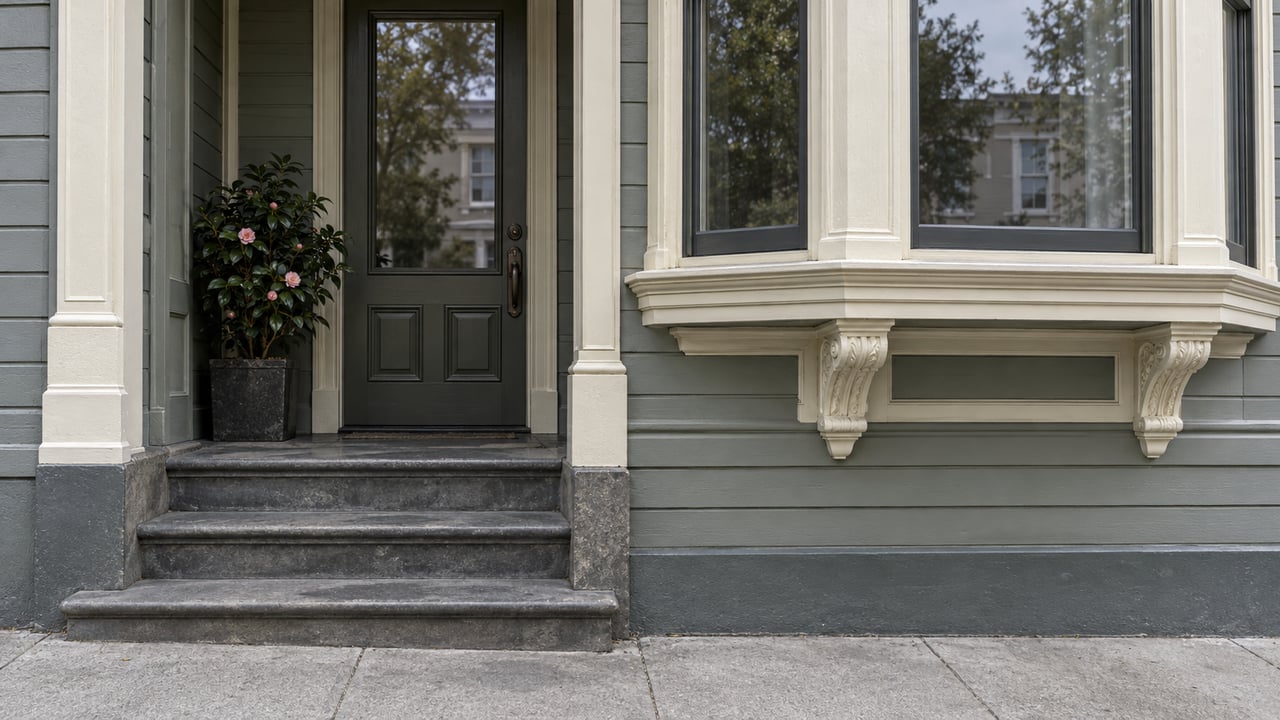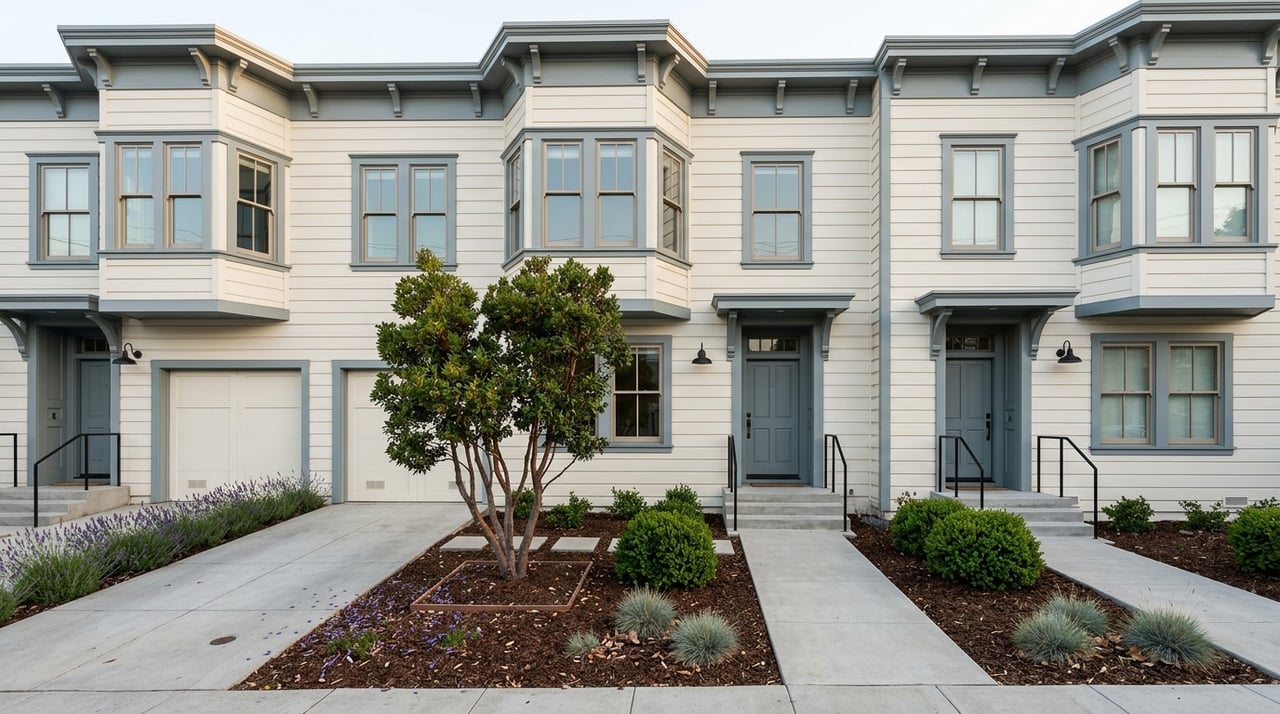
Trying to choose between a condo and a townhome in Walnut Creek? You are not alone. Many buyers assume the difference is simple, but in California, the label on the listing does not always tell you how the property is owned, maintained, or governed. If you want to make a smart move, you need to look past the marketing and focus on what will actually shape your day-to-day ownership. Let’s dive in.
Why the condo vs. townhome label can mislead
In California, “townhome” is usually an architectural style, not a legal ownership category. A home that looks like a townhome may actually be legally structured as a condo or as another type of common-interest development.
That matters because your ownership rights and responsibilities come from the title documents and the HOA governing documents, not the listing description. In practical terms, two homes that look similar from the street can come with very different rules about maintenance, outdoor space, and monthly costs.
Start with the legal structure
A condominium in California generally means you own your individual unit plus an undivided interest in the common area. By contrast, a planned development is a separate common-interest category.
If you are comparing Walnut Creek condos and townhome-style properties, the first question is not “Which looks more like a house?” The better question is “What do the CC&Rs say I own, and what does the HOA maintain?”
How HOA documents affect your ownership
In a California common-interest development, HOA membership is mandatory. The key documents are the CC&Rs, bylaws, and articles of incorporation, and they govern owner rights, remedies, and association operations.
You should also review the HOA budget carefully. It shows the expected assessment burden and helps you understand how the community funds maintenance and operations over time.
What Walnut Creek buyers usually notice first
For most buyers, the condo versus townhome decision becomes real when you compare layout, privacy, parking, and maintenance. These are the features that shape your routine and your monthly budget.
In Walnut Creek, that comparison is especially important because housing styles vary widely between downtown-adjacent areas and other parts of the city. Access to BART, parking setup, and outdoor space can change how each option feels.
Layout and living style
Townhomes are usually multi-story attached homes within a single building structure. Many buyers like that more vertical, house-like feel, especially if they want separation between living and sleeping areas.
Condos can be stacked, attached, or even detached site condominiums. That means a condo may offer single-level living, which can be attractive if you prefer fewer stairs or want a simpler floor plan.
Who may prefer a condo layout
A condo may fit your plan if you want:
- A lower median price point
- More active inventory to choose from
- A layout that may be closer to single-level living
- Easier access to downtown Walnut Creek and BART in some communities
Who may prefer a townhome layout
A townhome-style property may fit better if you want:
- A more house-like attached format
- Multiple levels for separation of space
- The possibility of exclusive-use outdoor areas
- Parking that may feel more private, depending on the community
Outdoor space is not always what it seems
One of the biggest points of confusion is outdoor space. Balconies, patios, porches, and some parking areas may be classified as exclusive-use common area.
That means the space may feel private to you, but it still sits within the HOA structure. So if a Walnut Creek listing highlights a patio, yard area, or private-feeling garage approach, you will want to confirm exactly how that space is defined in the governing documents.
Maintenance can vary more than buyers expect
Maintenance responsibility is one of the most important differences to verify before you buy. Under California’s general rules, the HOA is responsible for repairing, replacing, and maintaining common area, while the owner is responsible for the separate interest.
For exclusive-use common area, the default rule is usually that the owner maintains it, while the HOA repairs and replaces it, unless the declaration says otherwise. In real life, that means roofs, siding, patios, yards, and driveways can be handled very differently from one Walnut Creek community to another.
Questions to ask about maintenance
Before you commit, ask for clear answers on:
- Who maintains the roof
- Who handles exterior siding or stucco
- Who is responsible for patios, balconies, or fenced outdoor areas
- Who maintains driveways or private-feeling access areas
- Whether the HOA or owner pays for major exterior repairs
Parking matters in Walnut Creek
Parking is not a small detail in Walnut Creek. The city manages downtown meters and garages, and it also offers residential permit parking in designated neighborhoods.
That makes it especially important to confirm whether a property includes a garage, assigned space, carport, or some reliance on street parking. Two homes with similar square footage can feel very different if one has direct-access parking and the other depends more heavily on nearby public parking options.
Walnut Creek market snapshot right now
Current listing snapshots show a meaningful difference between condos and townhomes in Walnut Creek. There are about 192 condos for sale with a median listing price of $510,000, compared with about 29 townhouses at a median listing price of $968,000.
That means townhomes are roughly 90% more expensive than condos on a median listing basis, and there is much less townhome inventory. These figures are best used as a directional snapshot, but they do highlight a real trade-off between entry price and product type.
What that price gap may mean for you
If budget flexibility is a major priority, condos may open up more options in Walnut Creek. A larger active listing pool can also give you more room to compare locations, HOA structures, and amenities.
If you are focused on a more house-like attached layout, you may find that townhome-style homes are available in a much tighter inventory band and at a significantly higher median list price. That often requires a more targeted strategy and faster decision-making when the right fit appears.
Market pace can differ by property type
Walnut Creek’s broader housing market has been moving quickly, with a reported March 2026 median sale price of $845,000 citywide and homes selling in about 12 days on average. But condos and townhouses do not always move at the same speed.
Current listing snapshots suggest condos are taking longer on market than townhouses. For you as a buyer, that can affect negotiating room, timing, and how aggressively you need to act once you narrow your target property type.
Lifestyle fit: downtown access, transit, and trails
Walnut Creek offers a strong mix of transit access and outdoor lifestyle. The city’s Route 4 Downtown Trolley runs seven days a week from Walnut Creek BART Station with complimentary service every 20 minutes, and local transit materials note that Walnut Creek BART serves downtown and major employment and shopping areas.
BART also identifies Walnut Creek station as serving roughly 7,000 riders per day. If you want to stay connected to downtown, commute options, and activity centers, that may make certain condo communities especially appealing.
At the same time, Walnut Creek sits in the I-680 and SR-24 corridor and includes more than 3,000 acres of open space plus over seven miles of neighborhood trails. If your ideal routine includes a little more separation, a more residential attached-home feel, or access patterns that feel less centered on downtown, some townhome-style communities may line up better.
A simple way to decide
When buyers compare condos and townhomes, the best choice usually comes down to your priorities, not the label. Use this framework to get clear:
Choose a condo if your priorities are
- Lower median pricing
- More available inventory
- Simpler access to downtown or BART-oriented living in some areas
- A lower-maintenance lifestyle, subject to HOA documents
Choose a townhome-style property if your priorities are
- A more house-like attached layout
- Multi-level living
- The possibility of exclusive-use outdoor or parking areas
- Willingness to compete for a smaller inventory pool at a higher median price point
What to verify before you write an offer
No matter which direction you are leaning, do not stop at the brochure or floor plan. In Walnut Creek, the right answer often comes from document review.
Before moving forward, confirm:
- The legal ownership structure
- What the CC&Rs say about maintenance responsibility
- Whether outdoor areas are deeded, exclusive-use common area, or common area
- The HOA budget and expected assessments
- Whether reserve accounts appear adequate for major future repairs
- The exact parking assignment and any street parking limitations
That final step can protect your return and help you avoid surprises after closing.
If you are weighing condos against townhome-style homes in Walnut Creek, a broker-level review of the community documents and market positioning can make the decision much clearer. To talk through your options and build a plan that fits your budget, layout goals, and long-term priorities, connect with Susanne Alexander.
FAQs
What is the difference between a condo and a townhome in Walnut Creek?
- In Walnut Creek and throughout California, a condo is a legal ownership category, while a townhome is usually an architectural style. A townhome-style property may still be legally structured as a condo or another common-interest development.
Why do CC&Rs matter when comparing Walnut Creek condos and townhomes?
- The CC&Rs help define what you own, what the HOA maintains, how common areas are handled, and what rules apply to the property. They often matter more than the listing label.
Are HOA fees mandatory for Walnut Creek condos and townhome communities?
- In a California common-interest development, HOA membership is mandatory, and assessments help fund operations and maintenance of common facilities.
How should buyers compare parking for Walnut Creek condos and townhomes?
- You should verify whether the home includes a garage, assigned space, carport, or relies on street parking, especially because Walnut Creek has managed downtown parking and residential permit parking in designated areas.
Are townhomes more expensive than condos in Walnut Creek?
- Current listing snapshots show townhomes at a much higher median listing price than condos in Walnut Creek, with far less inventory. That snapshot is directional, but it shows a clear gap between the two segments.
What should buyers review in a Walnut Creek HOA before buying?
- Focus on the HOA budget, reserve accounts, maintenance responsibility for exterior components, and how patios, balconies, parking, and other exclusive-use areas are classified and maintained.